ABB
References
We have been supplying technology from the world-renowned company ABB for many years. The most recent delivery of this technology was installed at the newly established plant in Brno-Slatina, where manual grinding and further machining of large-scale products takes place.
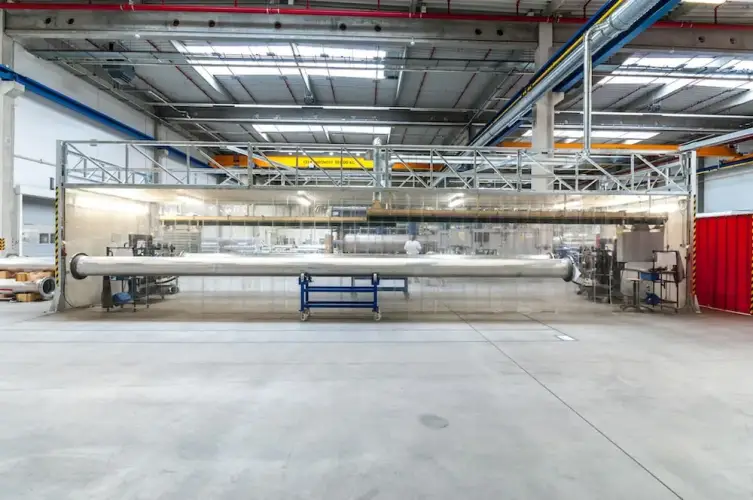
We approached the extraction design on a case-by-case basis for each workstation. The supply included the design and complete manufacture of the workstations, including extraction fittings and central extraction and filtration equipment.
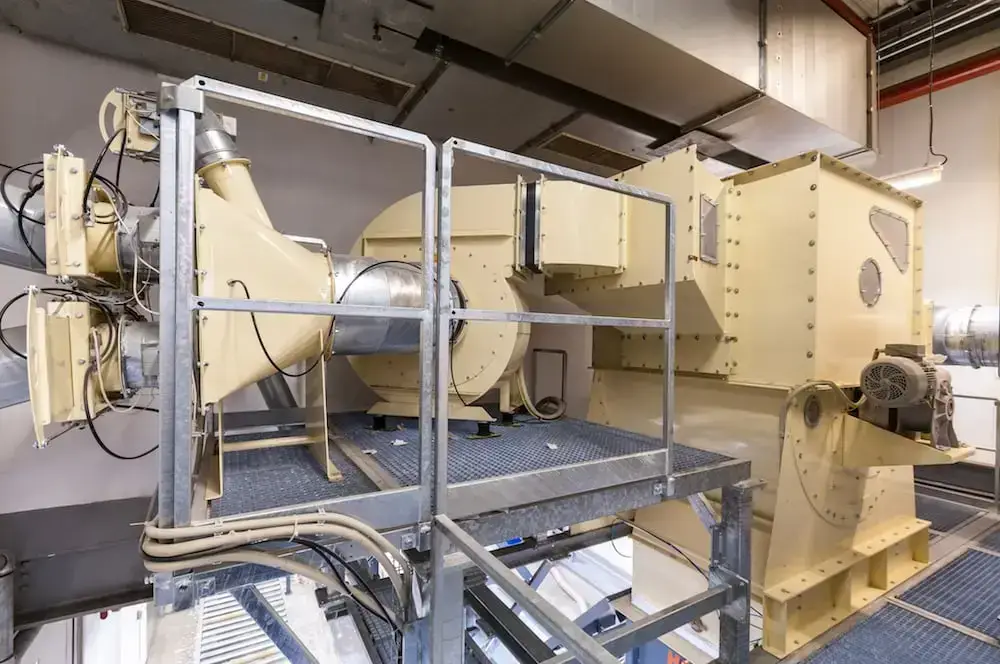
The total installed extraction capacity, based on the specified maximum simultaneous operation, is approximately 25,000 m³/h. The entire system is automatically controlled using a frequency converter and automatic dampers, which regulate the extraction capacity according to the occupancy of individual workstations. The customer appreciated the automation of this system and the energy savings, which are significant given the installed 37.0 kW motor.
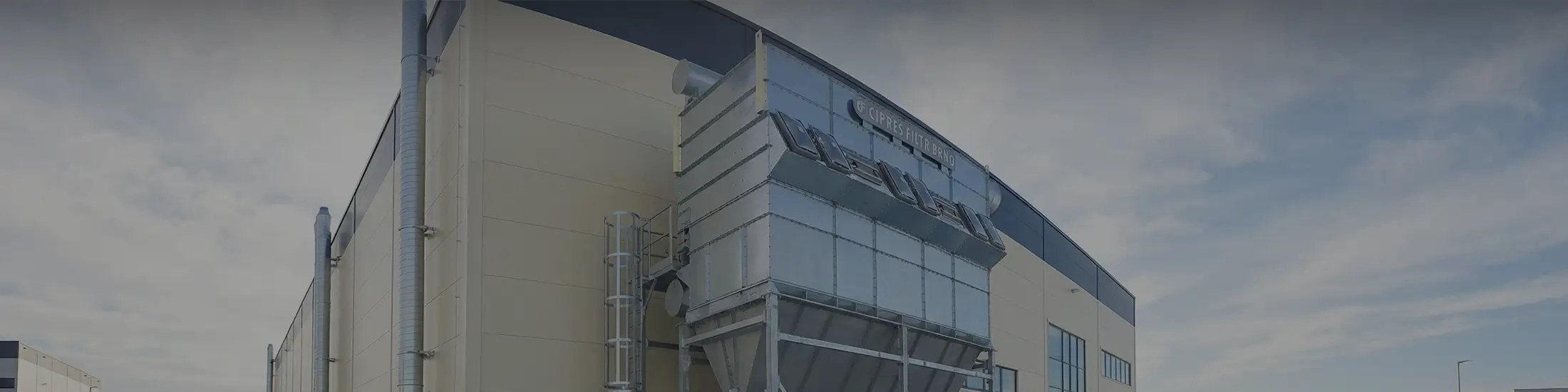
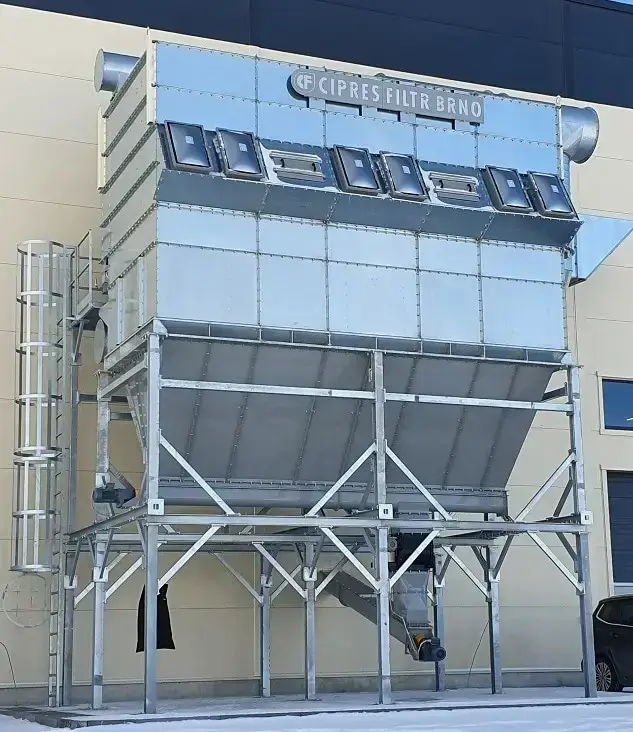
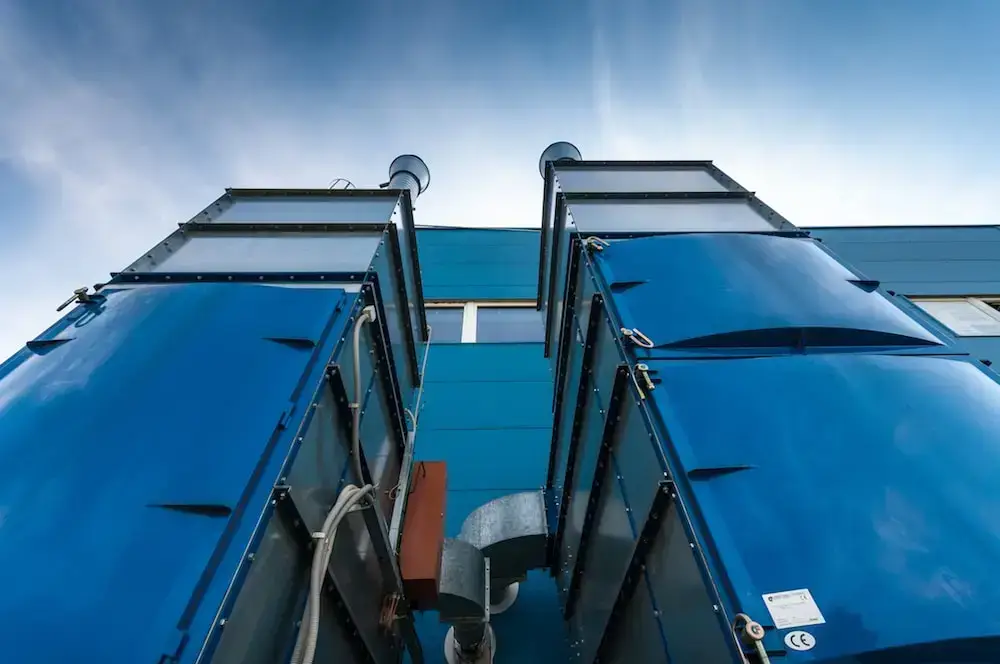
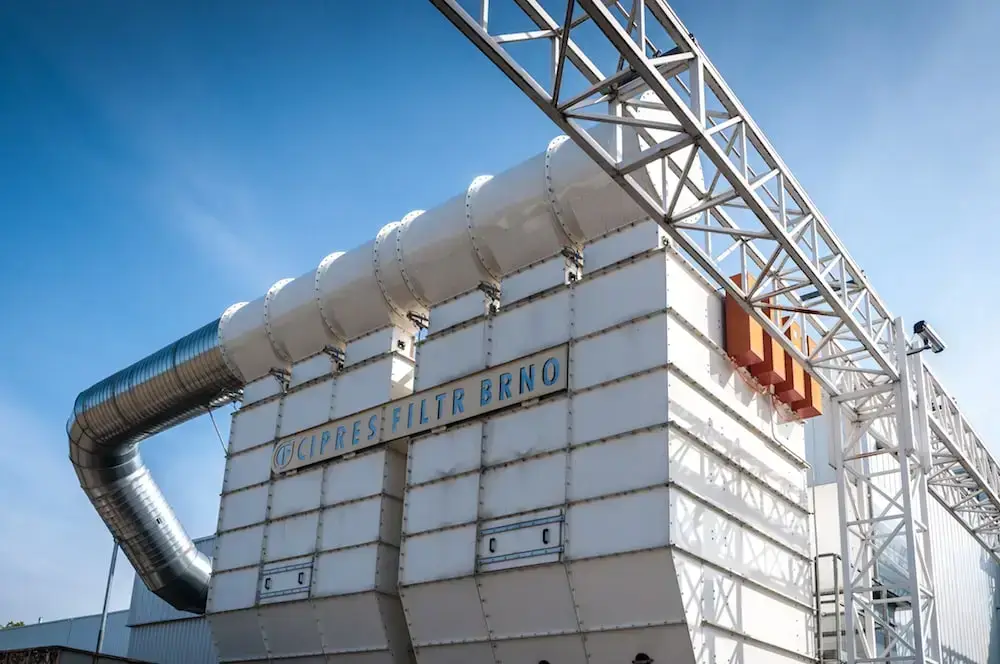
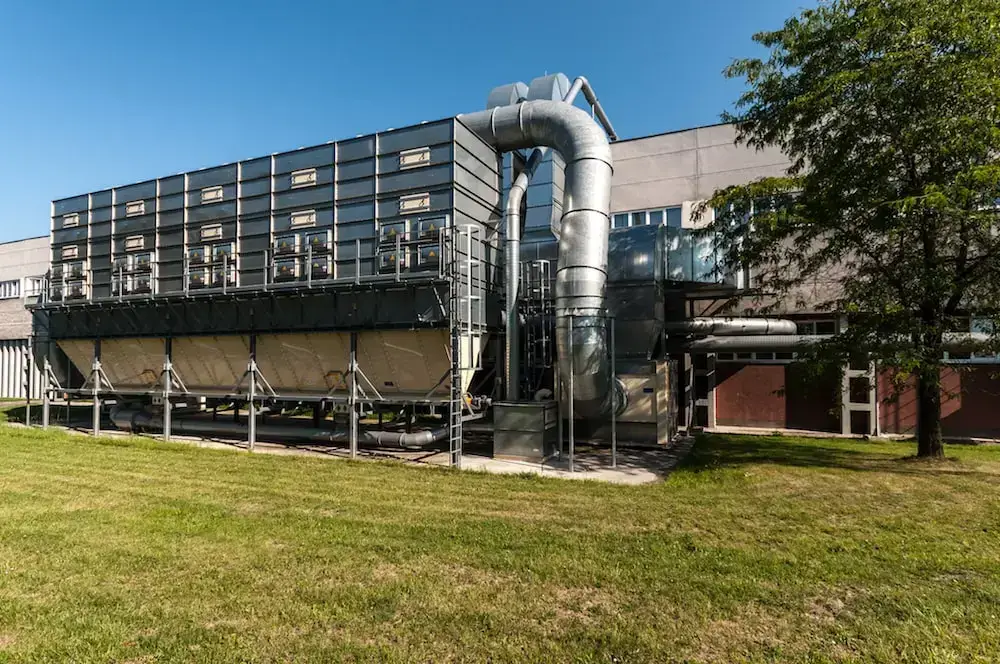
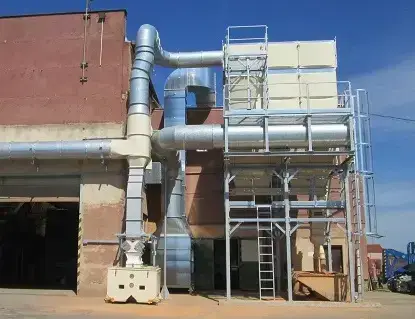
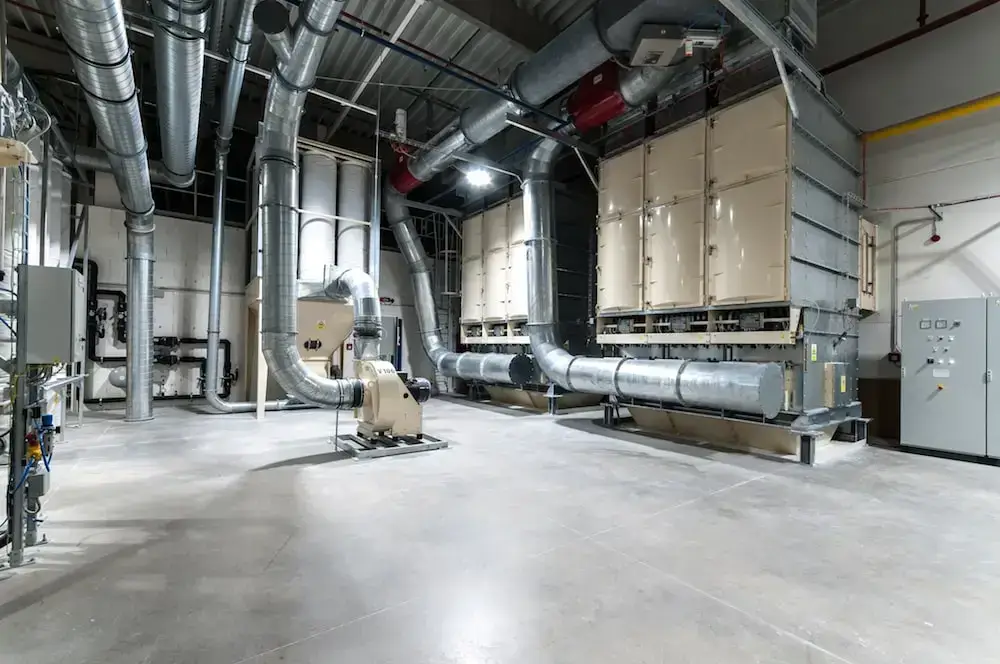
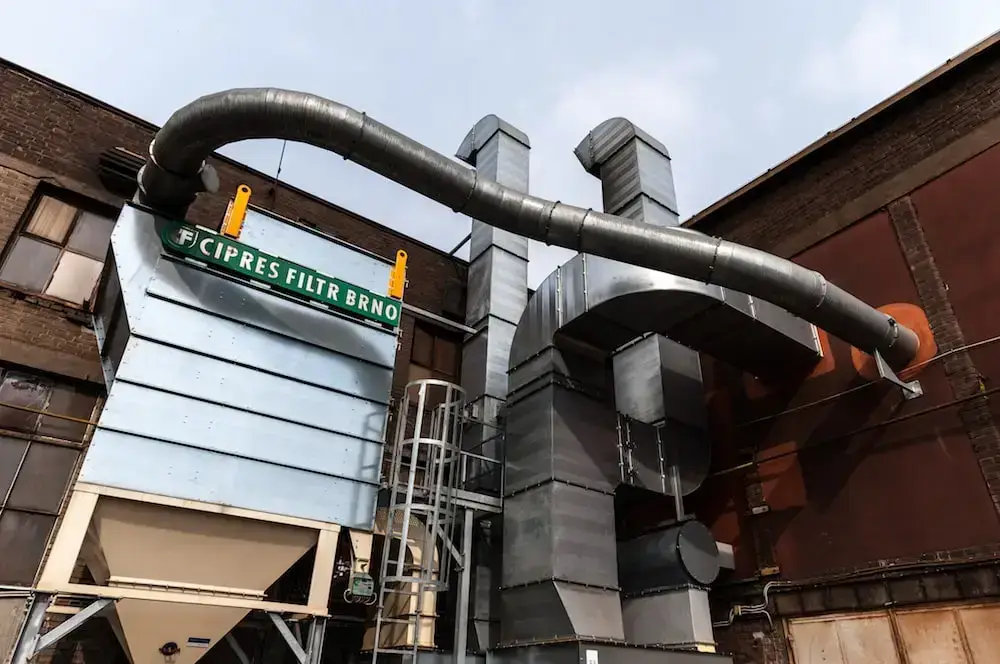
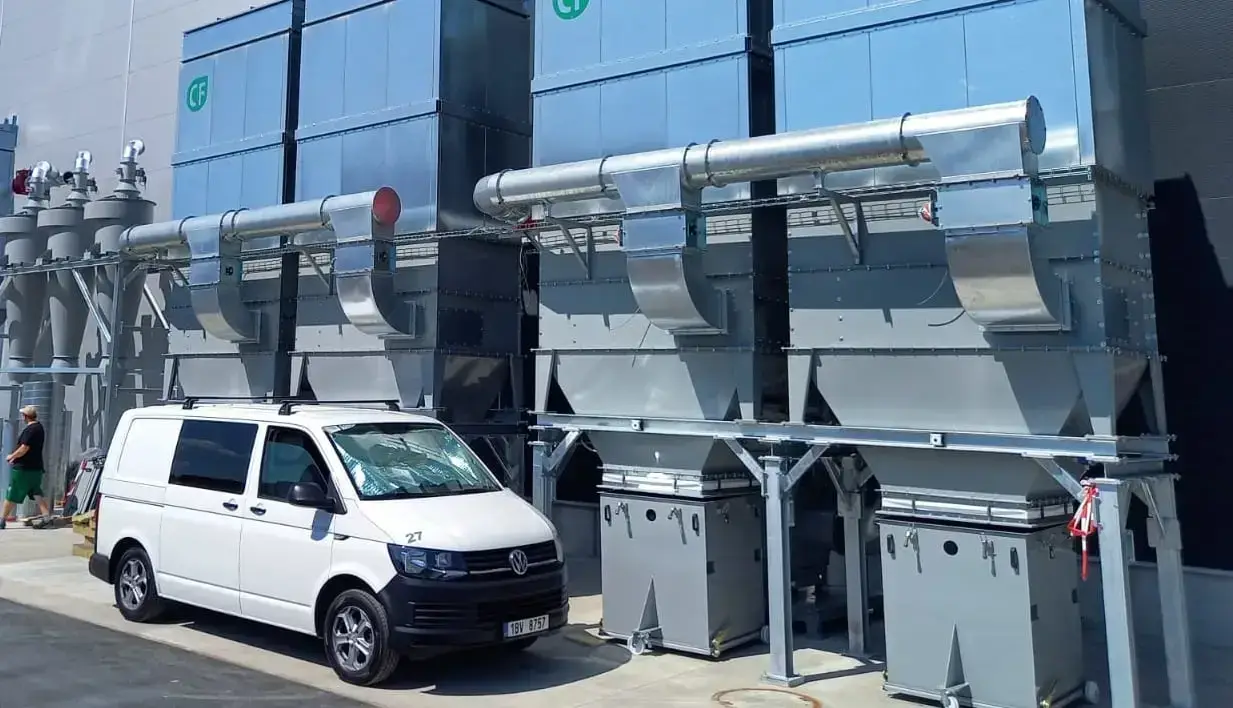
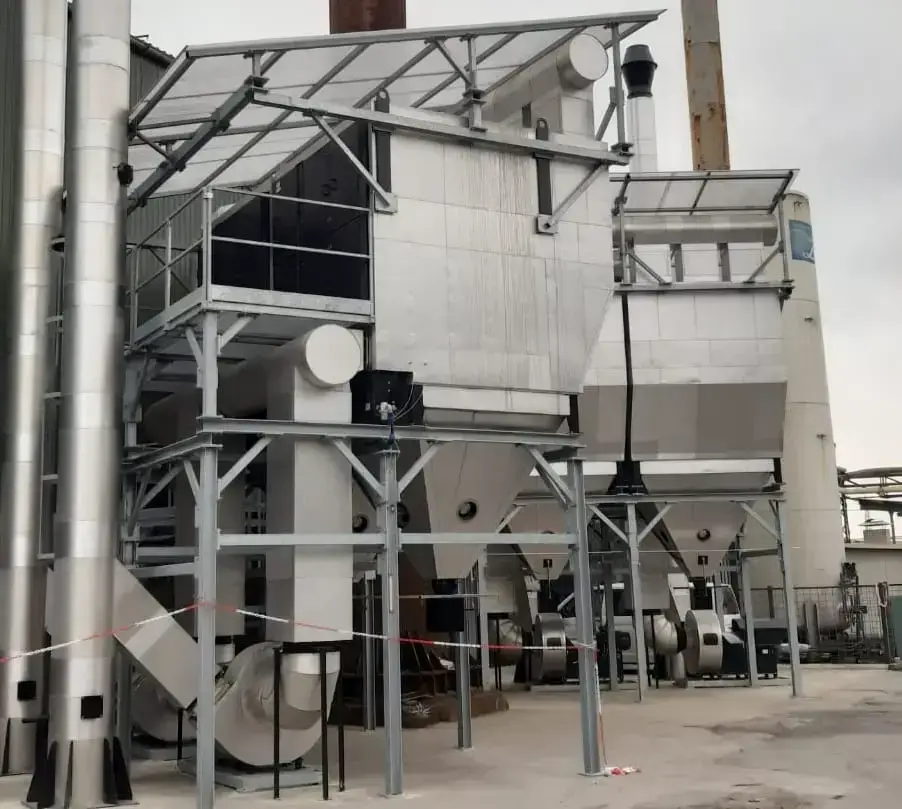
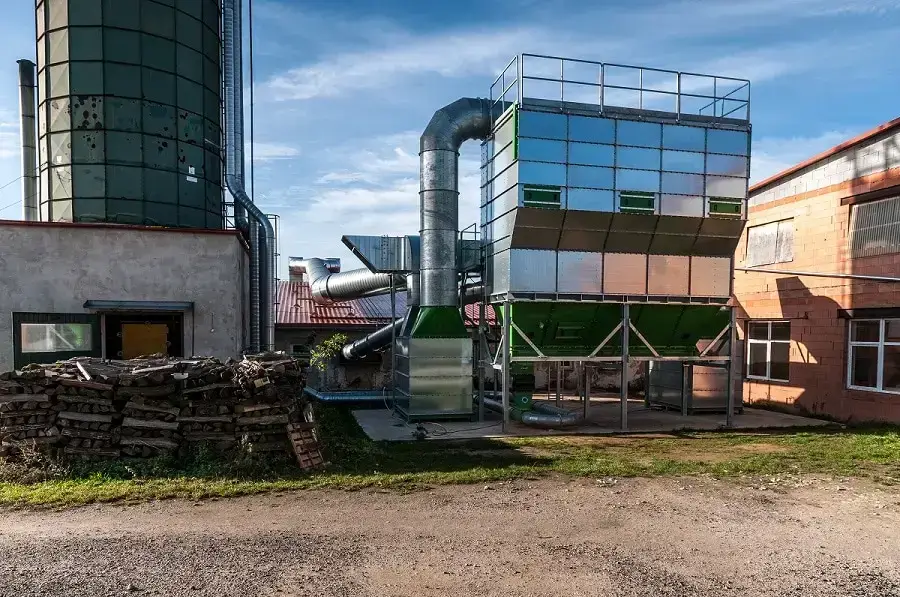
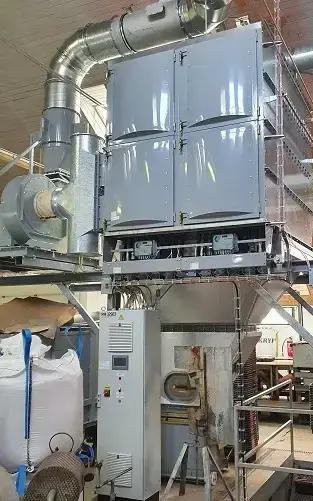
Extraction and filtration are provided by our CARM GH units, which feature automatic regeneration of the filter media using counter-flow compressed air. The filter media consists of filter bags (open filter surface) made from non-woven fabric. In similar applications, the service life of the filter media reaches at least 18,000–20,000 operating hours, which has a positive impact on the technology’s operating costs.
The filtration system includes a so-called absolute filter, which ensures that the filtered air is clean to a level of 0.5 mg/Nm³. The system operates in summer and winter modes; during the summer months, the filtered air can be discharged outdoors, whilst during the winter months it is recirculated back into the hall. Compliance with legislative limits and the system for returning air to the hall results in significant savings in heating energy.
We consulted with the customer on the complete design and details of the workstations prior to the start of production to ensure that each workstation complied with both the spatial layout and the extraction system in accordance with the handling process and direction
Specifically, this involved the extraction systems for the following seven workstations
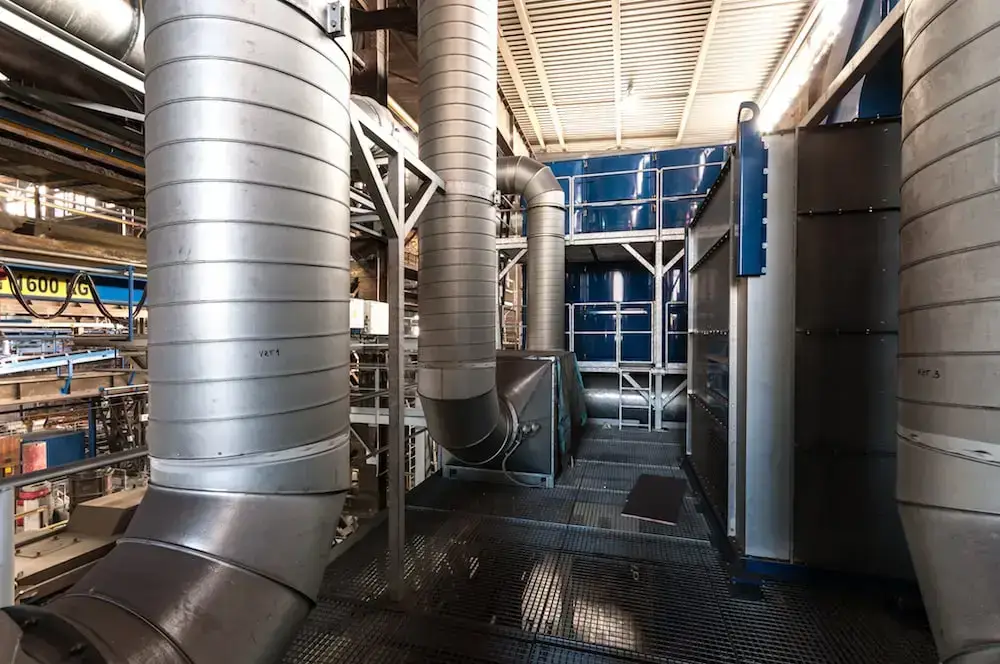
The result is effective extraction from the workstations, which is channelled into a filtration system.
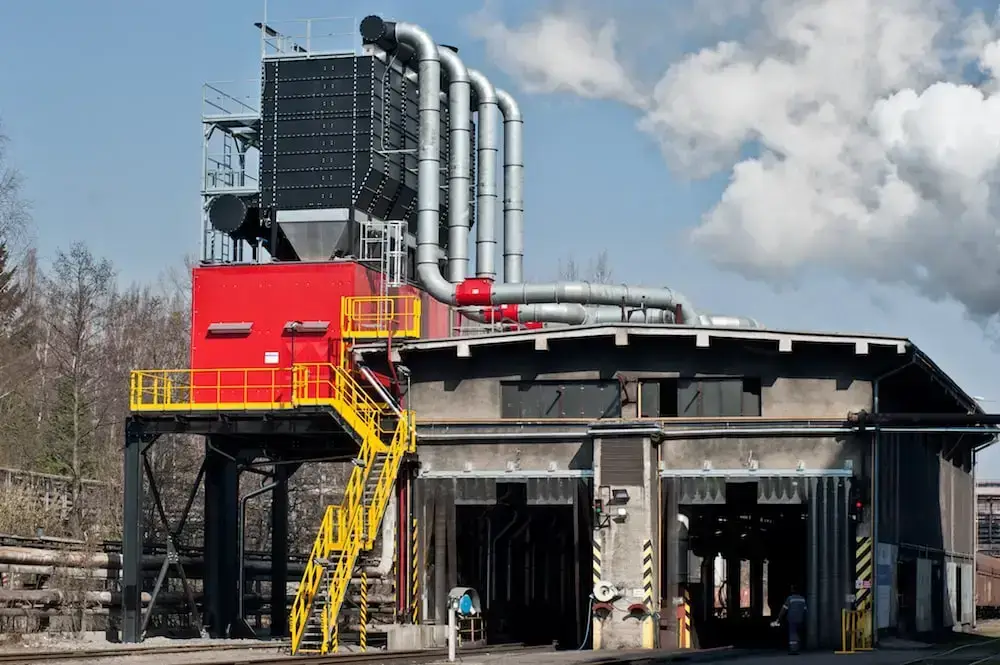
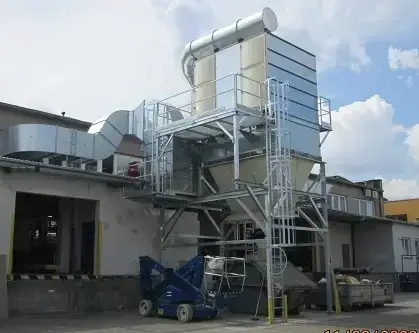
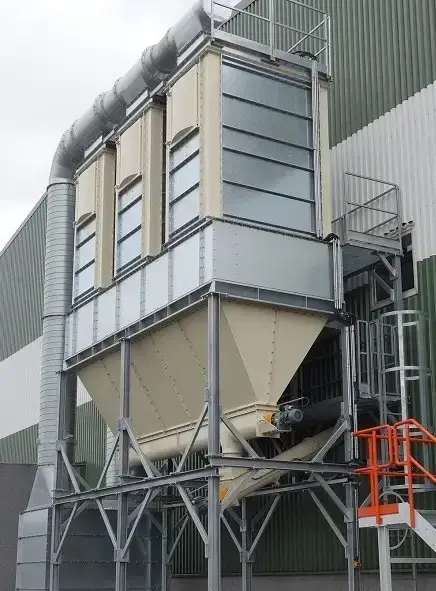
Take a look at the project in the attached photographs.
Ing. David Tříska

© 2026 CIPRES FILTR BRNO s. r. o.
All rights reserved