FOOD PROCESSING FACILITIES
Applications
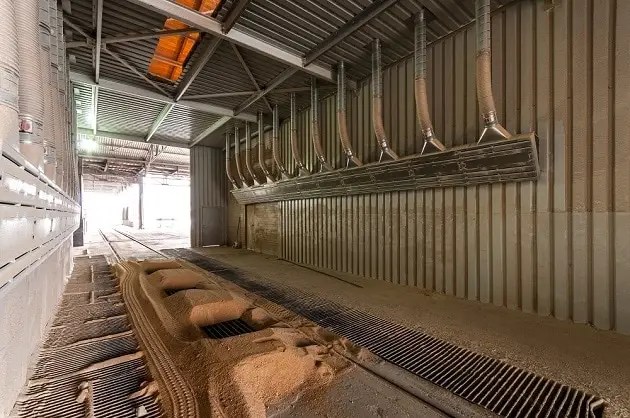
Dust in the food industry is unacceptable from both a hygiene and a safety perspective. From a hygiene perspective, dust is a source of contamination and provides an environment in which bacteria can multiply, which is unacceptable in food production.
Depending on the nature of the dust, dust deposits in the vicinity of production lines can, when stirred up, combine with the air to create an explosive atmosphere, which must be avoided.
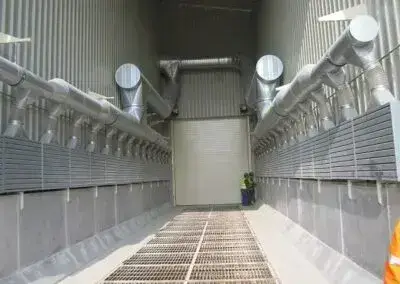
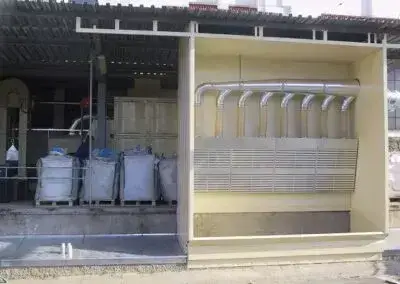
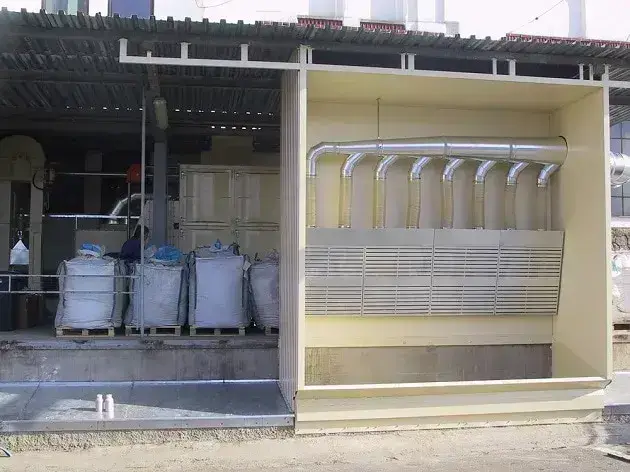
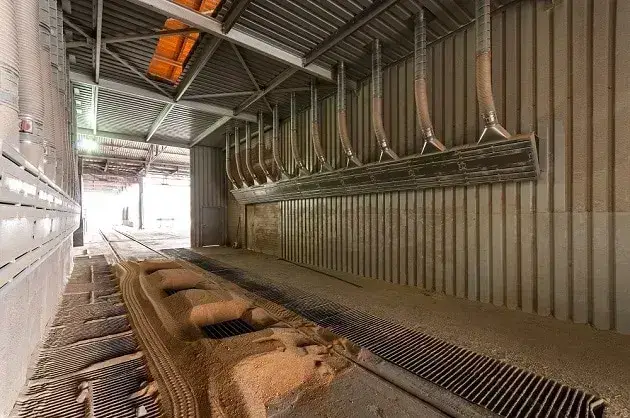
The most common processes requiring dust extraction in the food industry include: the conveyance of raw materials, transfer points on conveyors, processing by grinding, mixing and the packaging of the final product. The purpose of dust extraction and filtration equipment is to extract dust from food production as close as possible to its source, thereby preventing its spread and deposition in the surrounding area.
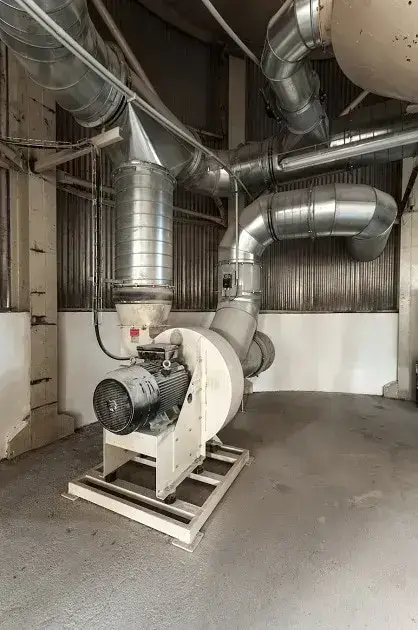
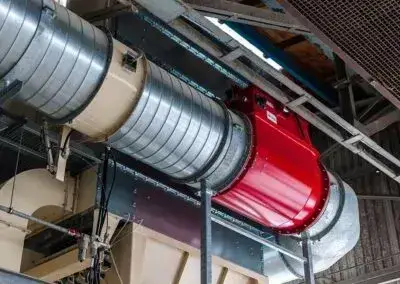
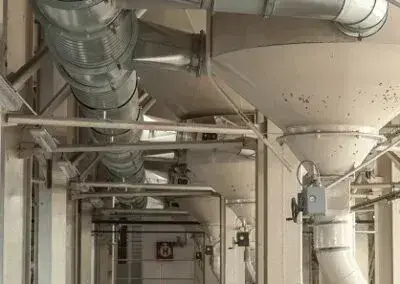
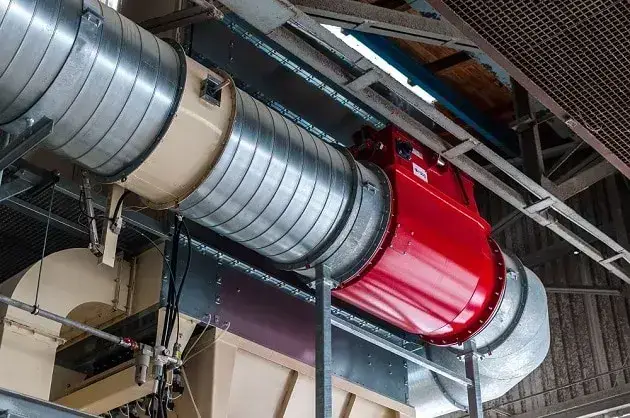
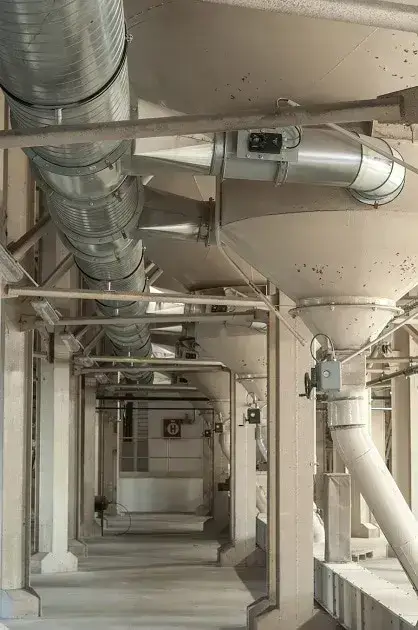
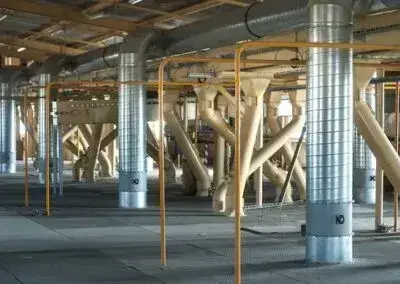
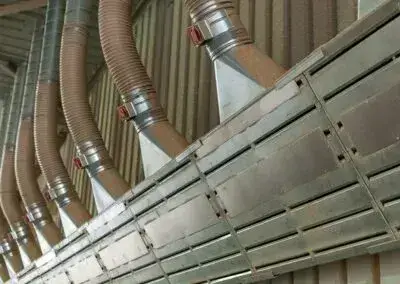
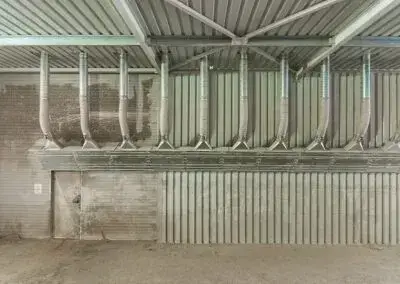
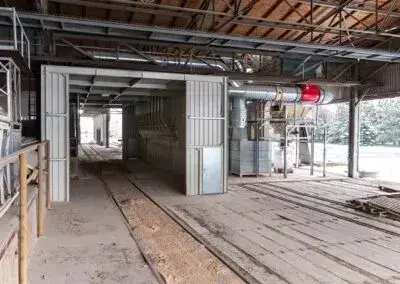
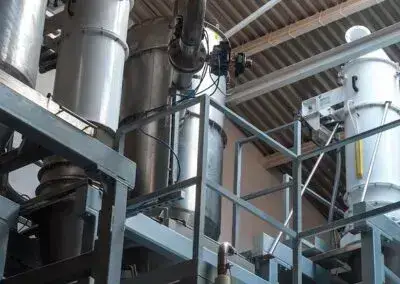
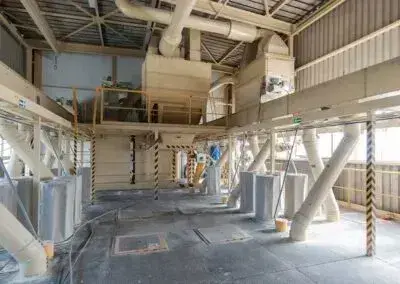
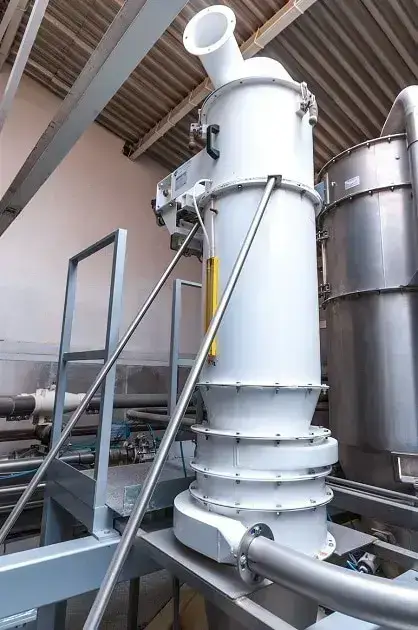
For the extraction of dust in food production, the extraction units and dust sources are connected by a central extraction duct system, which ensures that the dust is extracted and channelled to the central extraction and filtration system, where the dust is separated from the extracted air. We supply extraction units and sections of the ductwork where contact with the product may occur in a stainless steel finish, designed for easy disassembly to facilitate cleaning.
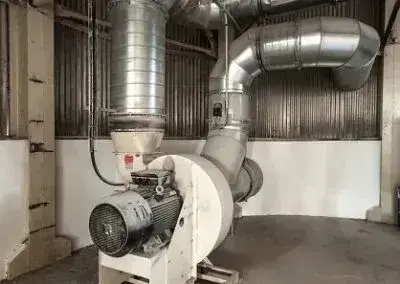
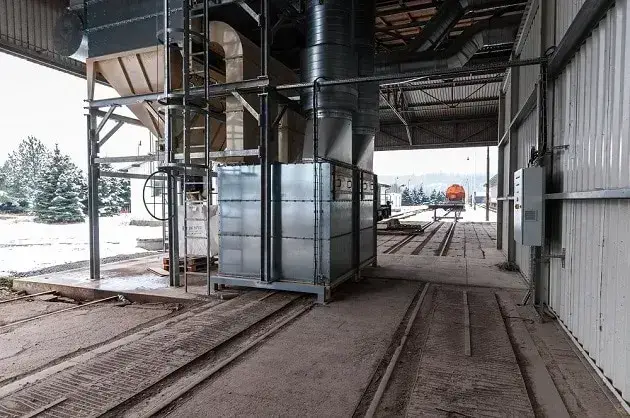
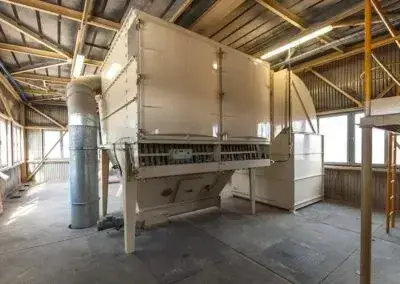
The filtration unit is equipped with an automatic regeneration system for the filter media using counter-flow compressed air, thereby ensuring continuous extraction performance.
The clean, filtered air is discharged to the outside in summer and recirculated back into the hall in winter, resulting in significant savings on heating costs.
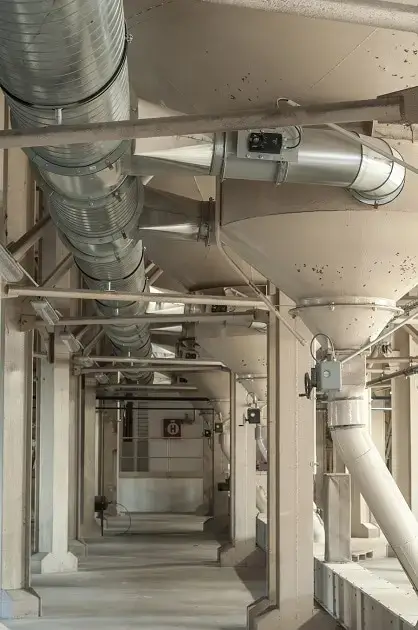
Almost all food-grade dusts are explosive, and we must treat them as such when designing extraction systems. The system must meet at least the following basic requirements: the extraction velocity in the ductwork must be at least 20 m/s. The individual components of the ventilation system must be electrically earthed to ensure that static electricity, which is generated when dust particles move through the ductwork, is dissipated. The filtration system must be fitted with explosion protection components to guard against pressure waves. The filter must be fitted with a pressure relief membrane venting into a safe area with restricted access. The extraction duct must be fitted with a safety non-return valve to prevent the propagation of pressure waves into the extraction duct. The filtration equipment must be pressure-resistant and fitted with an anti-static filter medium. Regular annual inspections of the filtration equipment’s safety components must be carried out to ensure the system’s safety.
We design and supply our systems in such a way as to avoid burdening clients with high operating costs for the filtration system. They utilise smooth filter sleeves made from microporous filter fabric. The filter sleeves contain no fillers, do not tear and are highly mechanically resistant. For applications in welding shops, we specify a service life of at least 20,000 operating hours for the filter media.


© 2026 CIPRES FILTR BRNO s. r. o.
All rights reserved