ACCESSORIES
Products
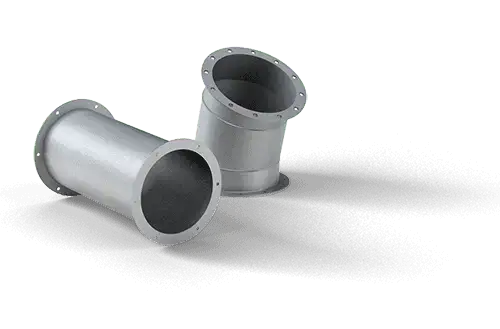
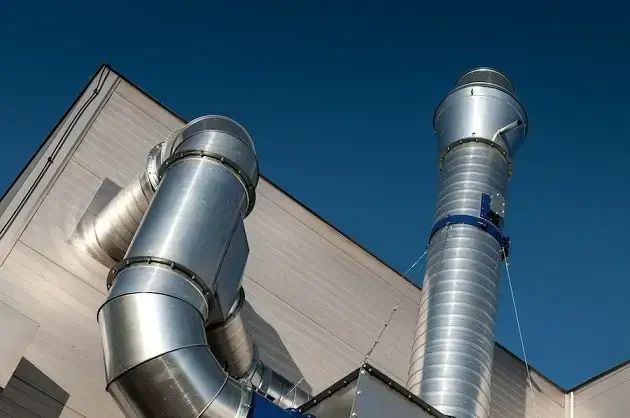
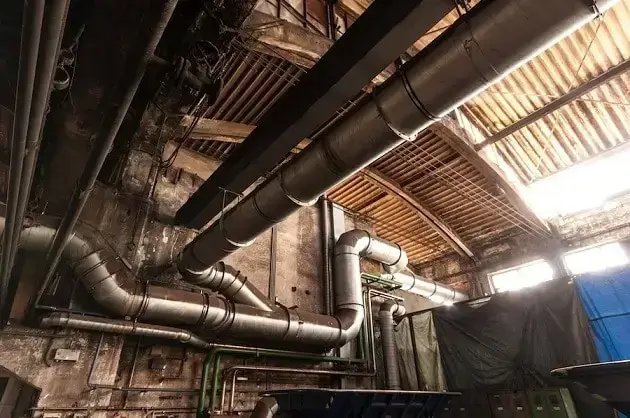
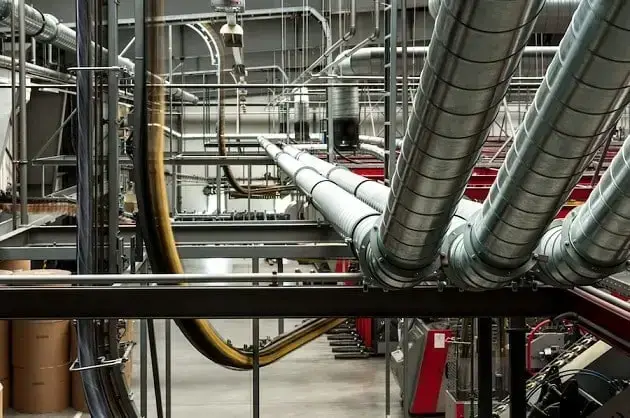
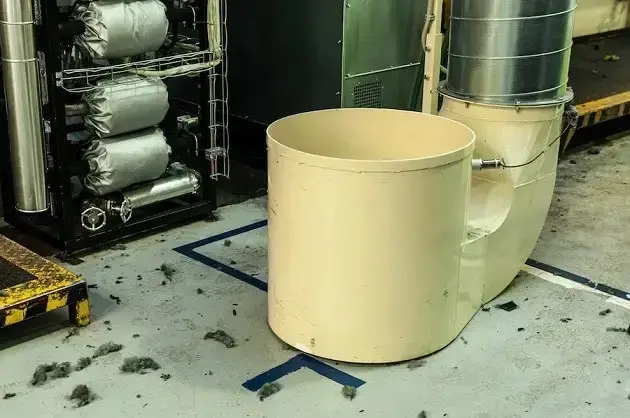
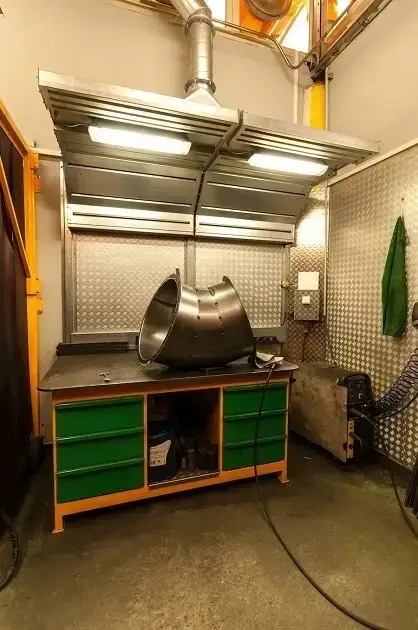
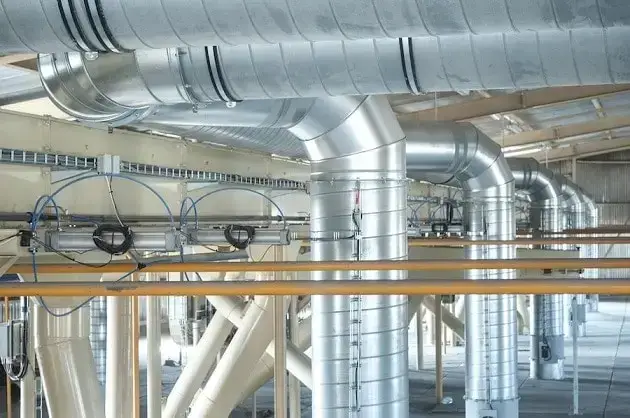
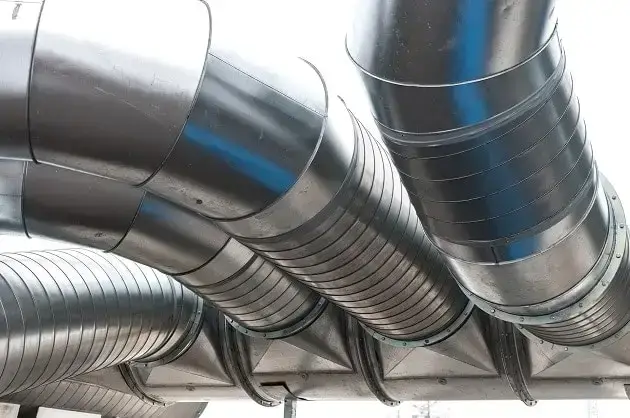
We manufacture segmented elbows, which are used in parts of ventilation systems where the direction of the extracted air and material changes. When the flow changes, dust particles are carried along the outer curve of the elbow, where they strike the individual segments of the elbow. At this point, there is increased wear caused by abrasion from the extracted material. This undesirable phenomenon must be taken into account when selecting suitable types of segmented elbows, and the selection must be made in such a way as to achieve the longest possible service life for the elbows.
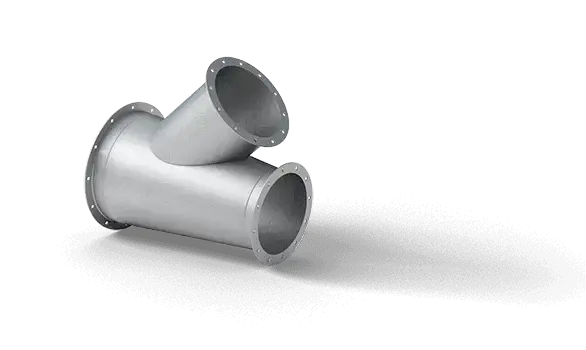
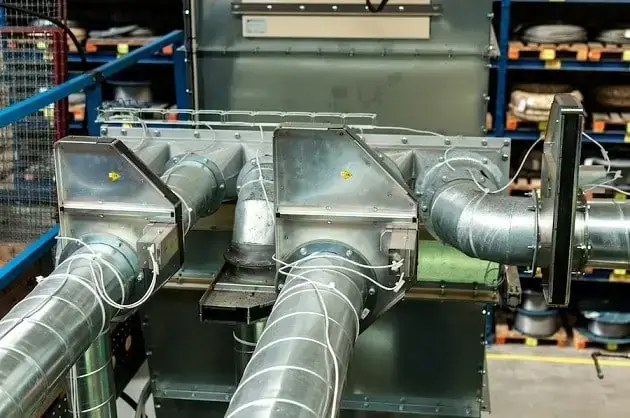
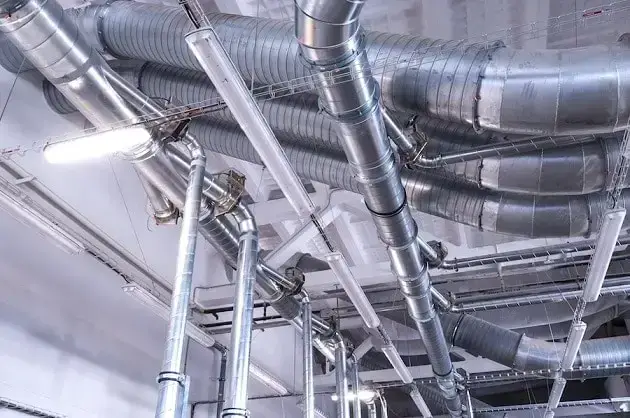
We manufacture transition branches for extraction ductwork, which are used to connect two or three streams of extracted air. The purpose of these transition branches is to maintain the greatest possible continuity of flow velocity when combining air streams and to ensure the most accurate distribution of extraction capacity across the individual branches of the ductwork. There must be no dead spots with minimal flow within the branch itself or in the ductwork before or after the branch, due to the potential for extracted contaminants to accumulate within the industrial ventilation system.
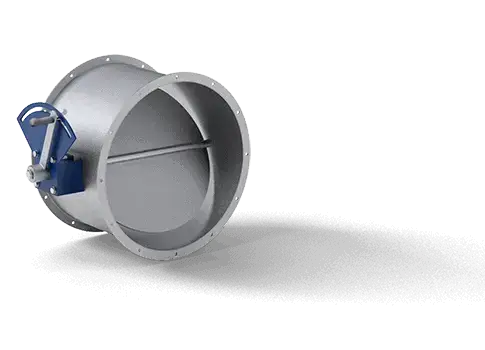
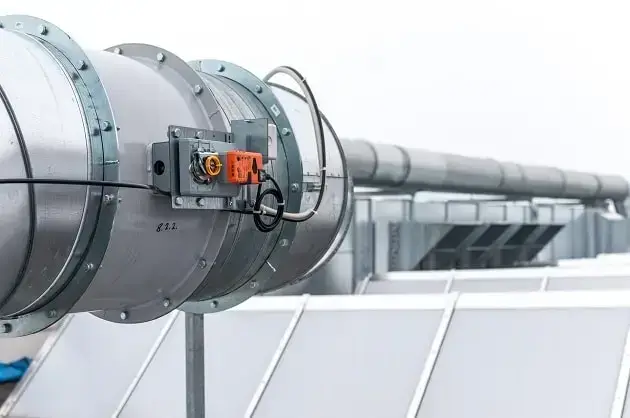
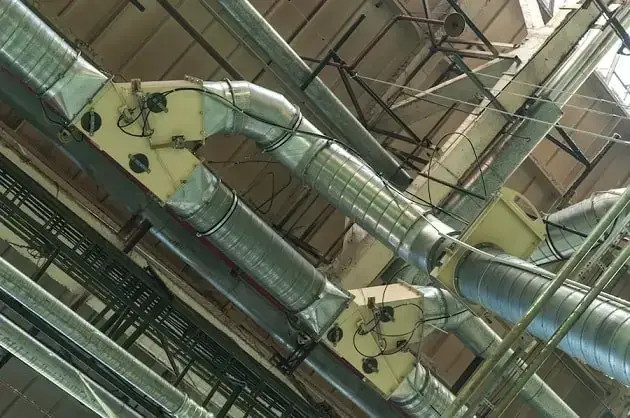
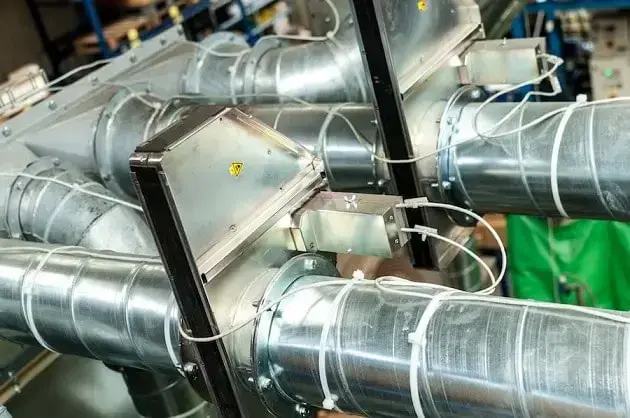
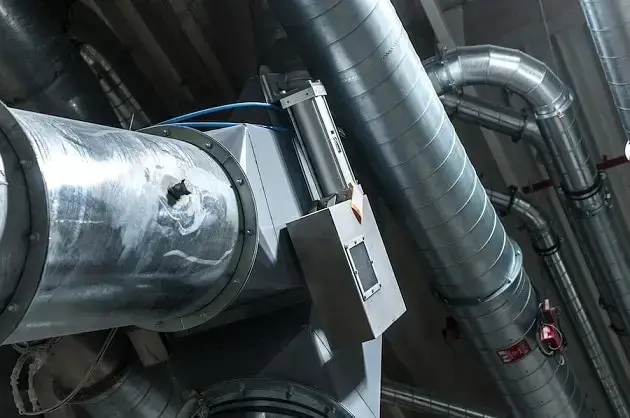
We manufacture shut-off dampers, which are used to shut off the flow of extracted air. The position of the damper blade is most commonly controlled by a pneumatically operated piston. The use of a pneumatic piston offers the advantage of continuous pressure on the damper blade against the seat, whilst also allowing the damper to be set to a safe position in the event of a power failure. Where compressed air is not available for the application, shut-off dampers with servo actuators can be used. The control voltage for both servo-actuators and pneumatic pistons is, at the customer’s discretion, either 24 V DC or 230 V.
We manufacture changeover dampers for use in applications where industrial extraction technology ensures the removal of dust from production processes that are used alternately. This ensures the efficient utilisation of extraction capacity, which, via the switching damper, is directed alternately to the process currently in use. Switch flaps are also used in applications where the extracted air is highly dusty, or for extracting larger waste materials, such as production trimmings and similar applications. Switch flaps can be used in pneumatic conveying systems for the controlled filling of multiple containers. We do not recommend the use of switching flaps in extraction pipework for highly abrasive materials, such as grinding dust or foundry dust.
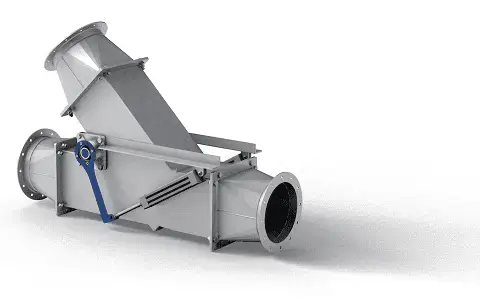
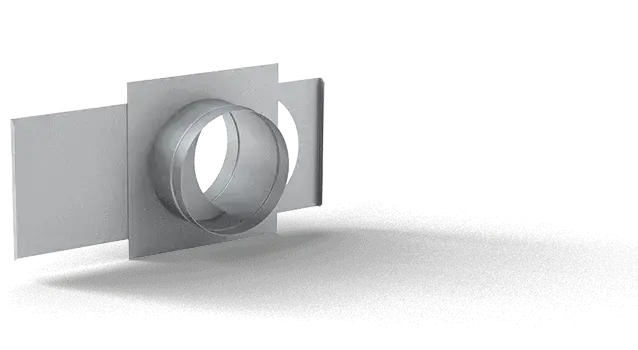
We manufacture shut-off dampers which, in industrial ventilation systems, serve a similar function to centre-shaft ventilation dampers. We use them in industrial extraction applications to regulate extraction capacity and to seal off duct runs where where the extracted material contains particles or fibres that preclude the use of centre-shaft dampers due to the high likelihood of rapid blockage by deposited material. Conversely, the use of air dampers is unsuitable in applications involving the extraction of coarse-grained material, such as grinding dust, foundry dust or wood dust from extracted sawdust, which often results in the damper seizing up.
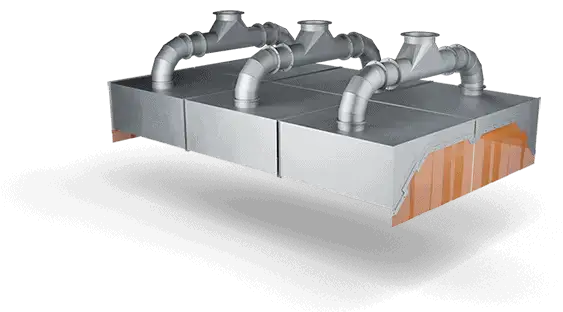
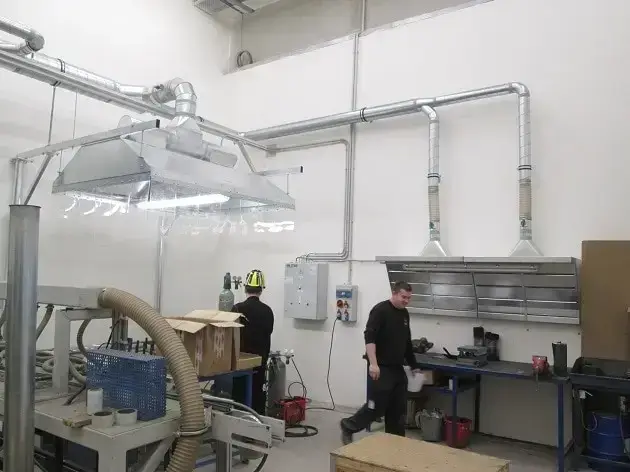
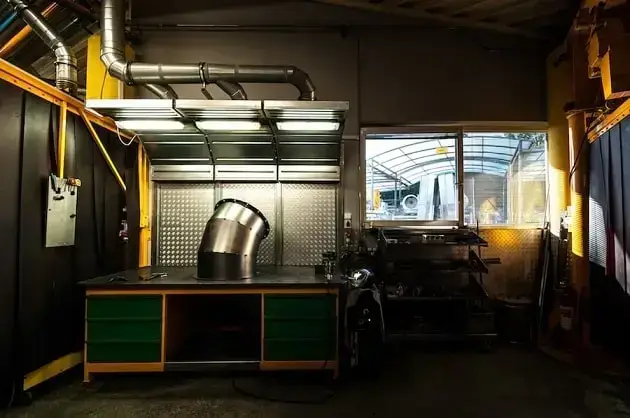
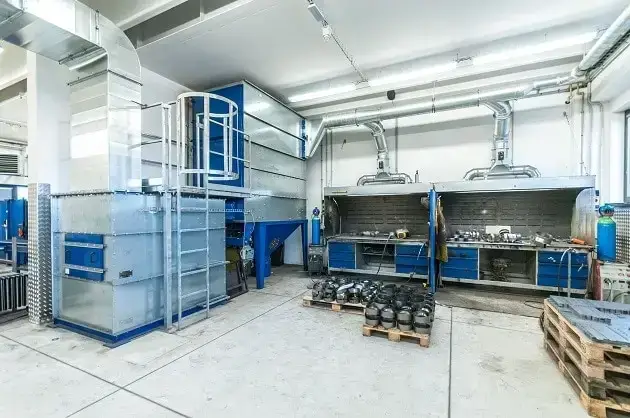
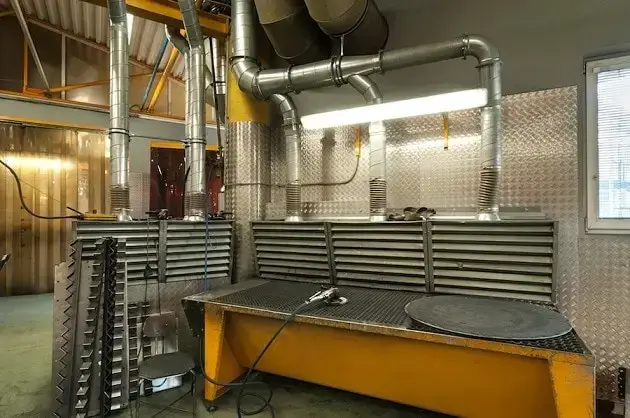
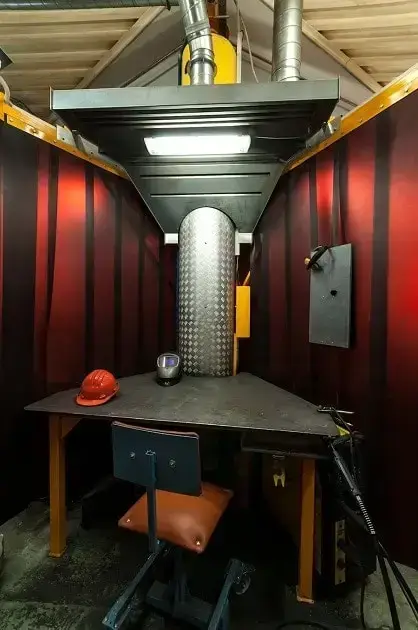
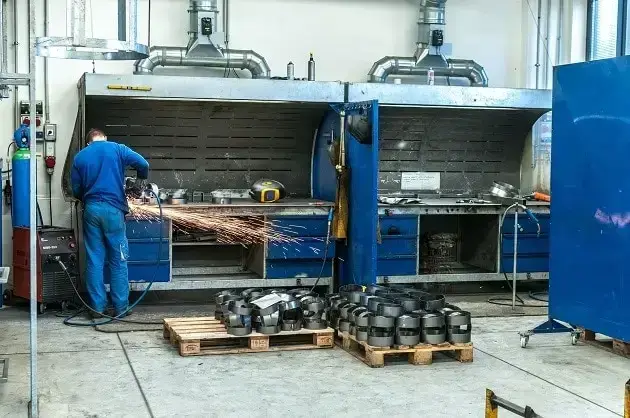
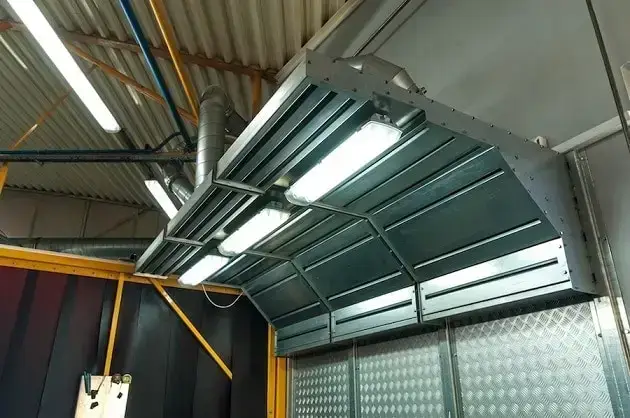
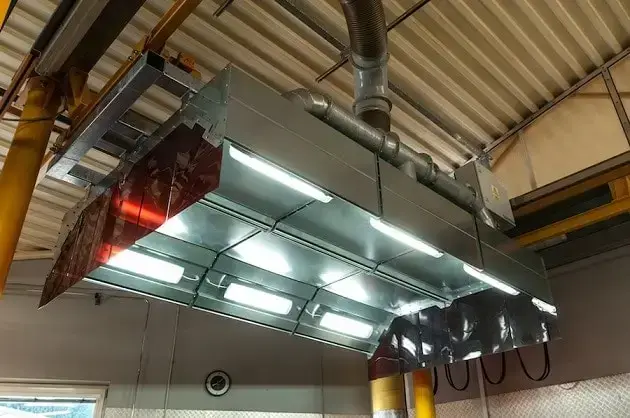
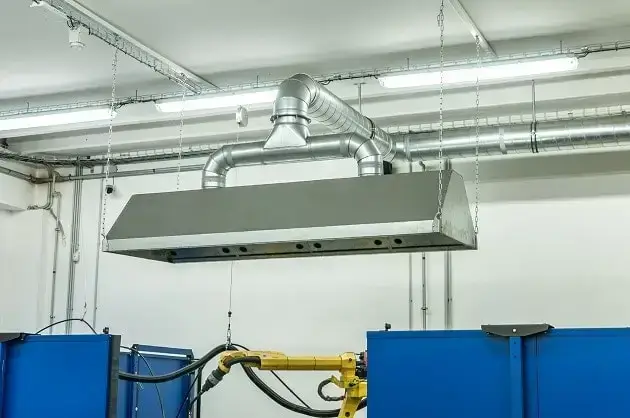
We manufacture suspended extractor hoods designed to be positioned directly above the source of smoke. The extractor hood is designed for connection to a central extraction system, which ensures proper extraction through the hood. The industrial extractor hood is used to capture welding fumes directly above the workstation, and its purpose is to prevent the fumes from spreading into the hall.
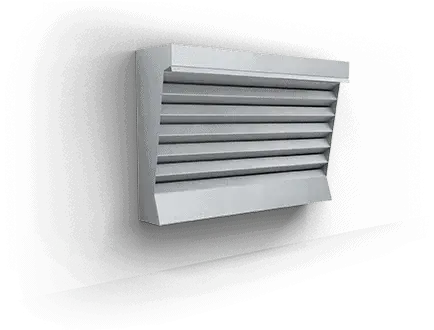
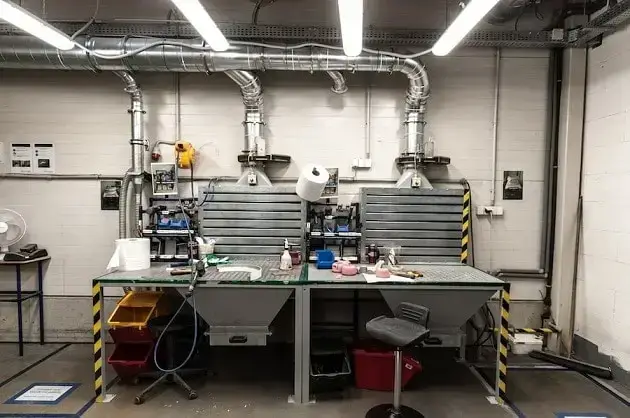
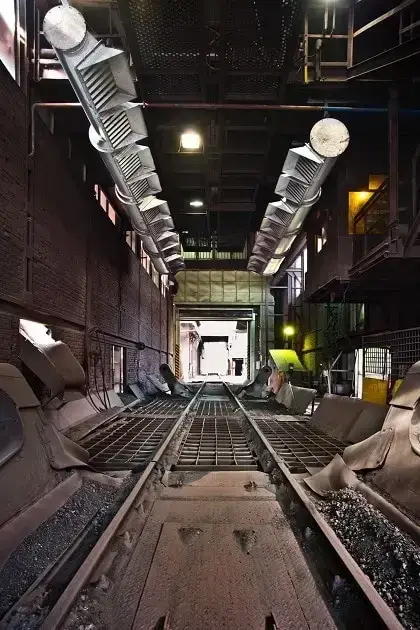
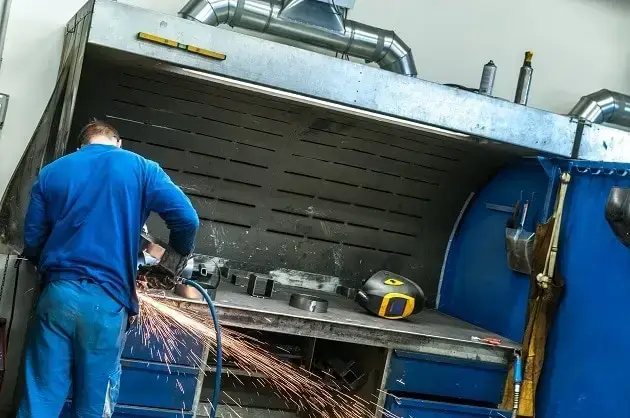
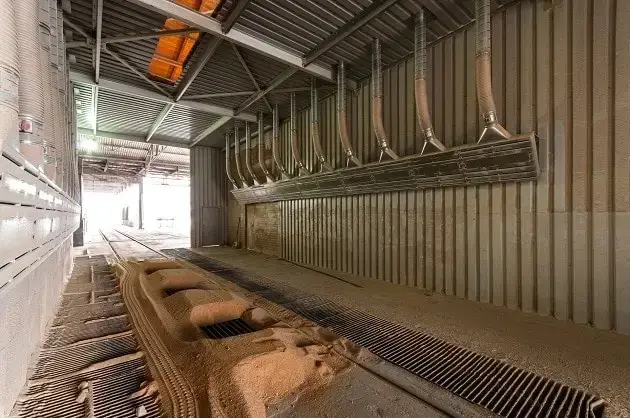
We manufacture suspended vertical extraction hoods for installation next to the source of dust. Vertical extraction hoods are most commonly used in grinding shops, grinding workstations and at workbenches. The extraction hood is designed for connection to a central extraction system, which ensures proper extraction through the hood. The industrial extraction hood is designed to capture dust directly at its source; it draws in dust particles before they reach the worker’s breathing zone, thereby protecting their health.
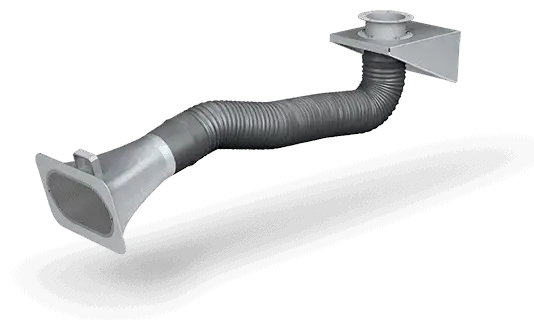
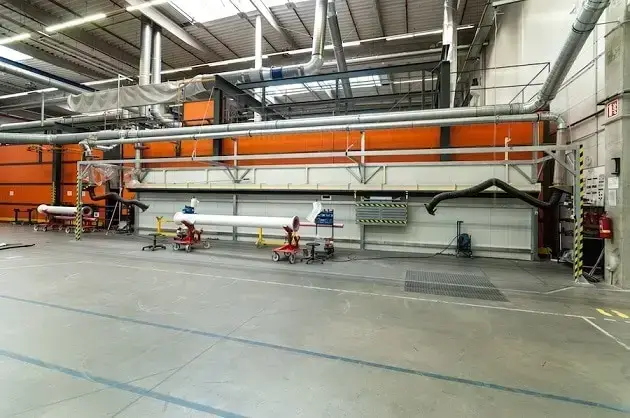
We manufacture extraction arms, which we use to capture welding fumes or other dust particles directly at source. The extraction arms are adjustable, and the operator can position them towards the source of the dust to ensure the most effective extraction of contaminants. When correctly positioned, the extraction arms ensure that dust is captured before it reaches the worker’s breathing zone, thereby protecting their health.
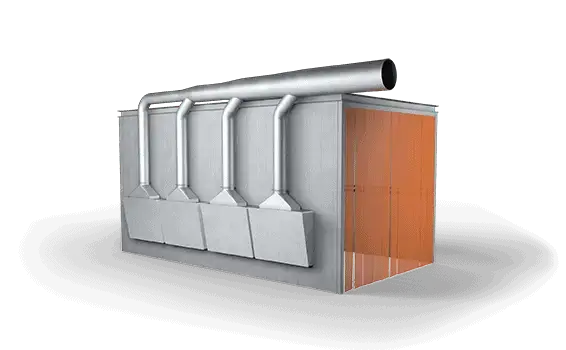
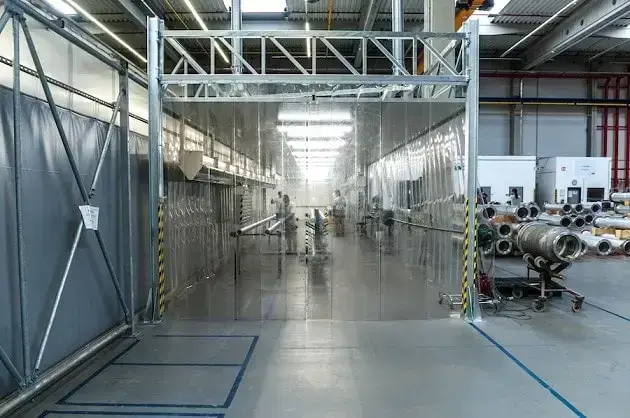
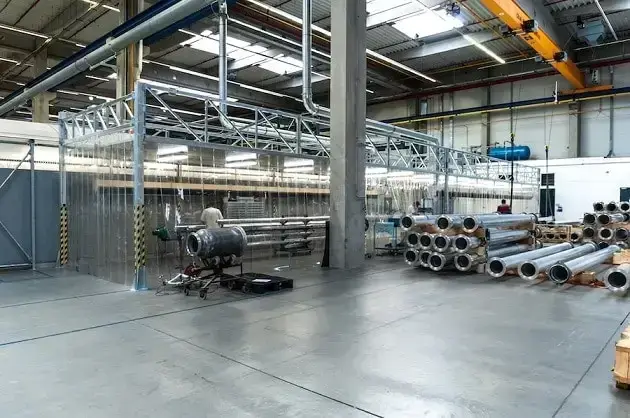
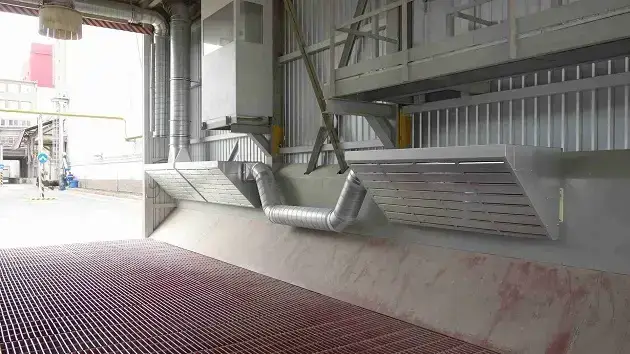
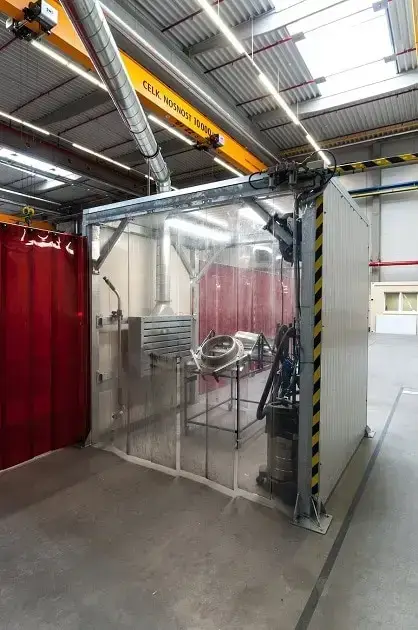
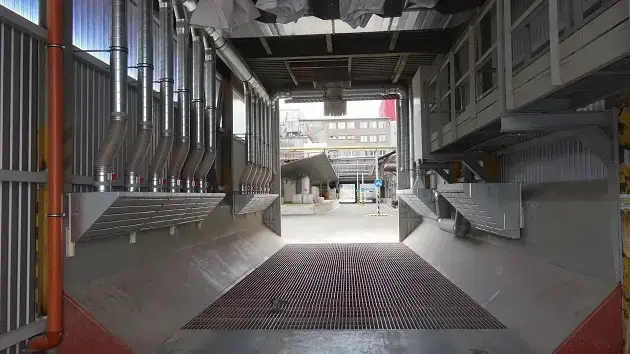
We manufacture extraction booths designed to separate a specific workstation from the rest of the production hall. Each extraction enclosure features its own steel structure, acoustic panels and lighting. Within the enclosure, we provide an air extraction and filtration system using extraction hoods with side intakes. Industrial extractor hoods are connected to a central extraction system. The filtered air is returned to the extraction booth, where it is fed back into the work area via a system of distribution sleeves located beneath the booth ceiling. We also manufacture booths with bottom extraction via floor grilles. The design of each booth is always bespoke and tailored to our clients’ requirements.


© 2026 CIPRES FILTR BRNO s. r. o.
All rights reserved