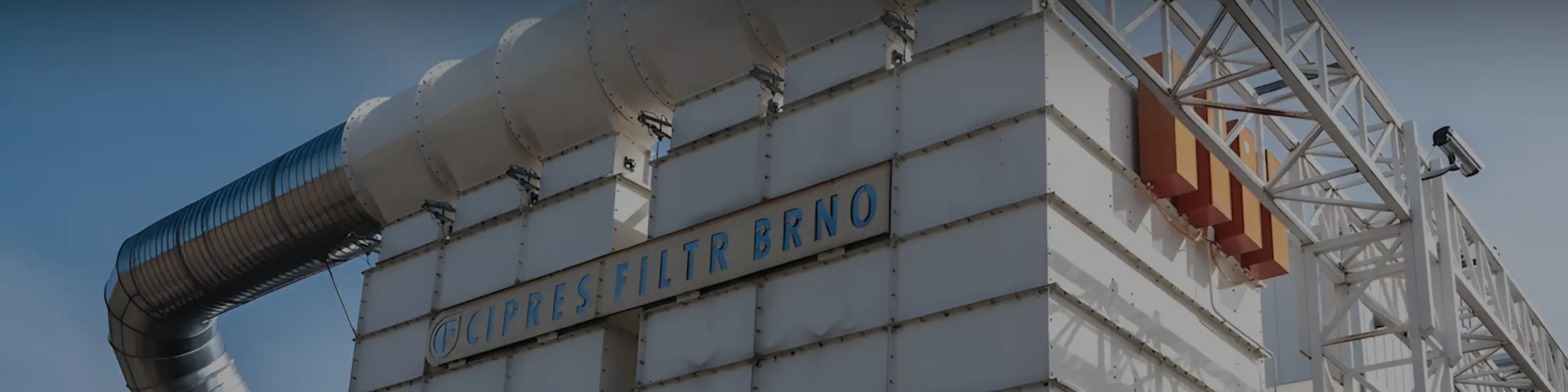
CARM GH-ZLD filter
Products
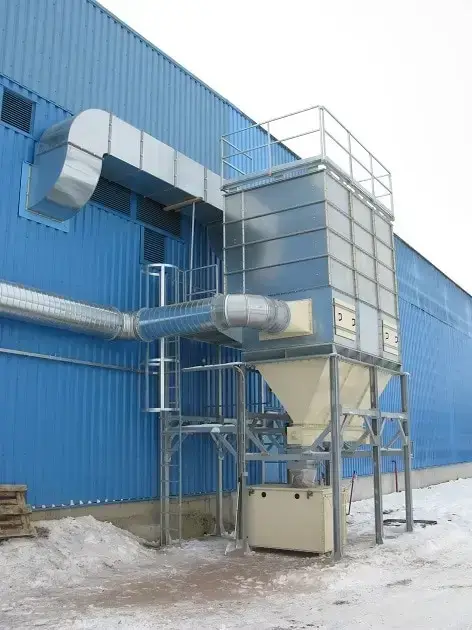
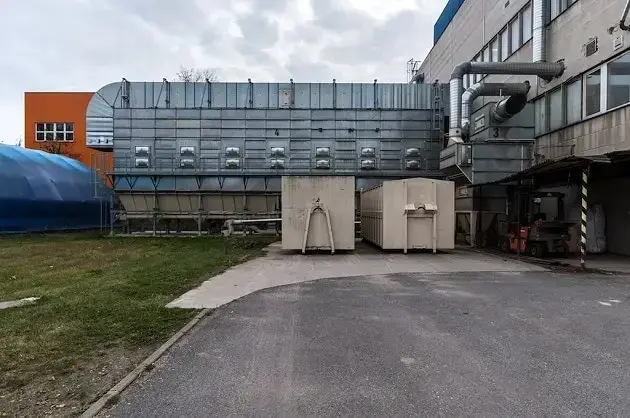
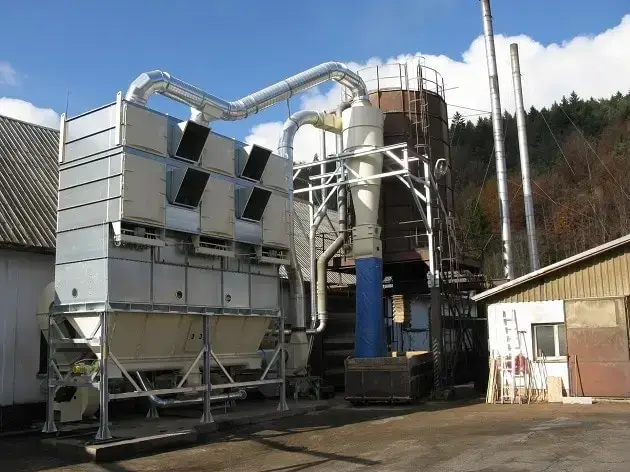
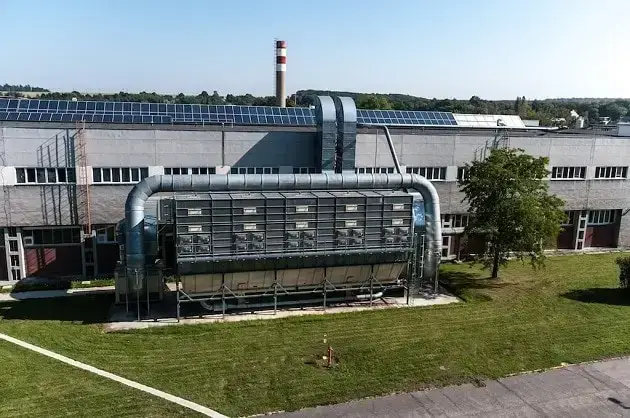
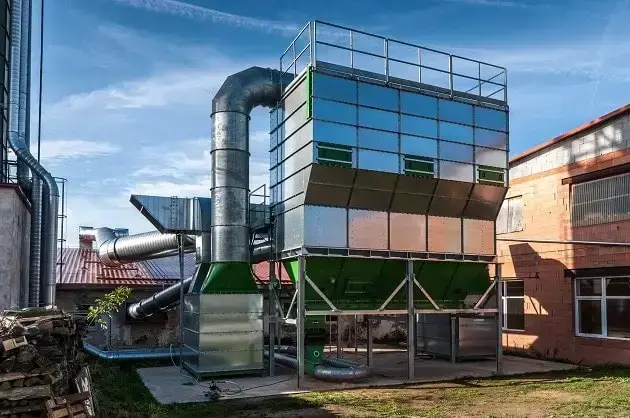
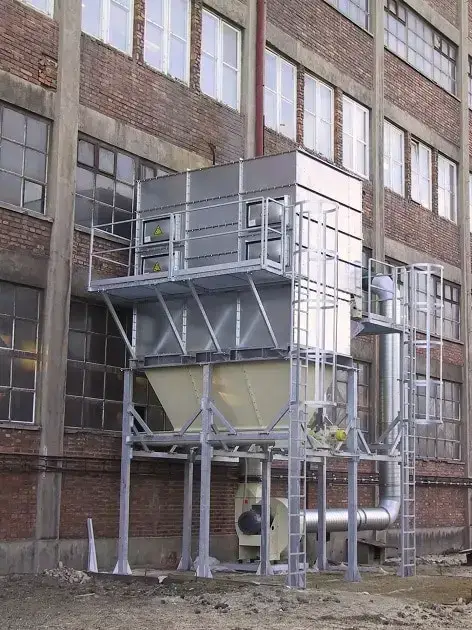
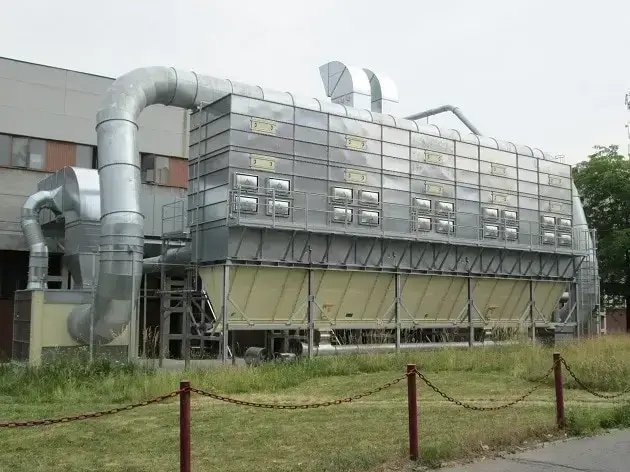
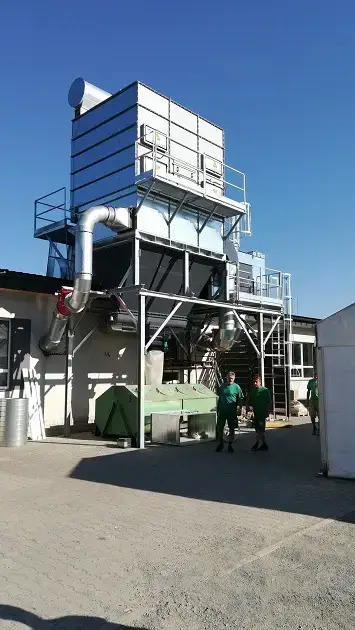
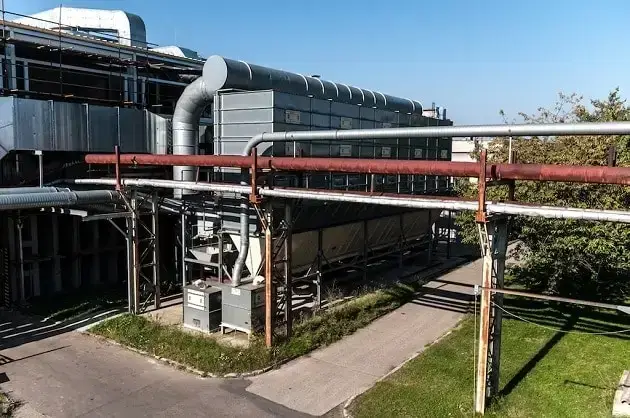
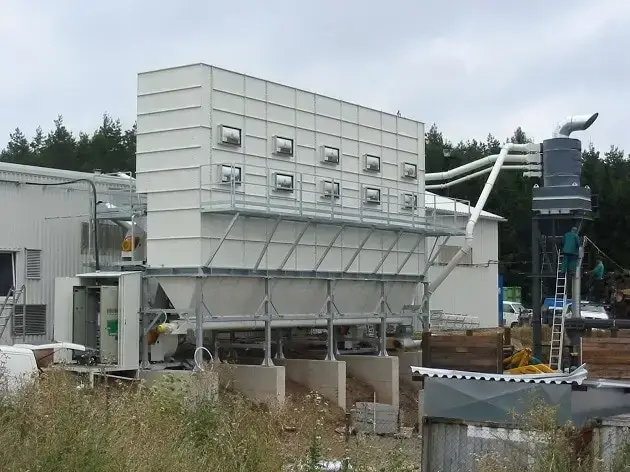
The CARM GH-ZLD filter unit is a stationary positive-pressure filtration system equipped with automatic regeneration of the filter media using counter-current compressed air. A distinctive feature of the CARM GH-ZLD filter is its design for the central extraction of dust and sawdust in timber-processing or paper-processing plants. CARM GH-ZLD filters are designed for large volumes of extracted air, ranging from 40,000 m³/h to several hundred thousand m³/h.
The CARM GH-ZLD extraction system utilises smooth filter bags made from microporous, antistatic, non-woven fabric. The advantage of smooth bags is the absence of folds, in which material would otherwise accumulate.
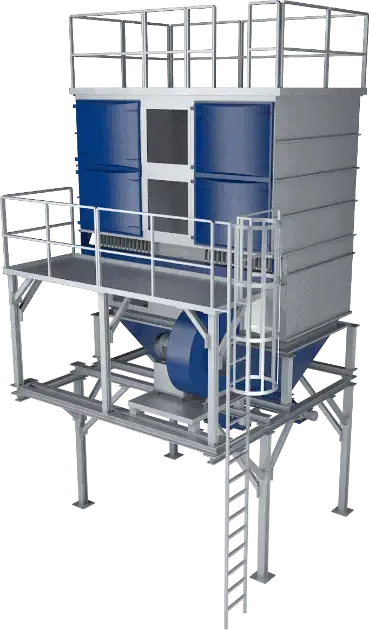
We design CARM GH-ZLD filter units so that the service life of the filter media for individual applications is at least 20,000 operating hours without the need for manual cleaning.
The CARM GH-ZLD filter unit is designed for demanding production processes in the woodworking and printing industries. The bag filter is capable of operating continuously under high loads. CARM GH-ZLD bag filters are designed for the extraction of explosive dusts.
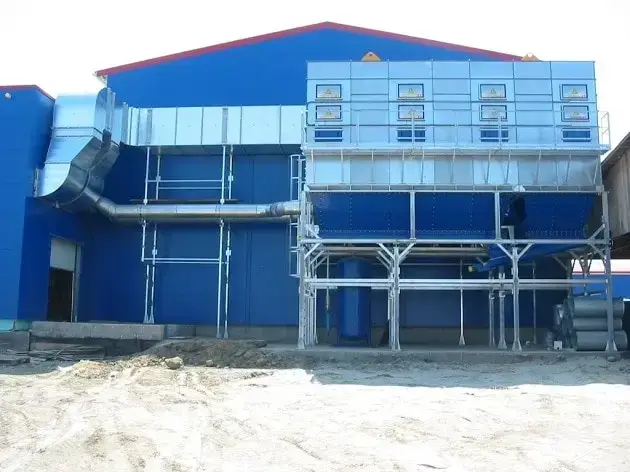
CARM GH-ZLD filter units are assembled in modular series, enabling the supply of filter units with extraction capacities ranging from 40,000 m³/h to several hundred thousand m³/h. The filter’s capacity is determined by the number and capacity of the upstream transport fans. The extraction capacity of individual fans can be regulated using frequency converters, depending on the production technology in use.
CARM GH-ZLD extraction systems ensure the extraction of large volumes of waste sawdust or dust; for this reason, high-capacity containers, briquetting or compaction presses are used for waste collection. It is not uncommon to use pneumatic conveying to transport sawdust to a storage silo.
For explosive dusts, CARM GH-ZLD filtration systems are equipped with an antistatic medium, explosion relief devices and, where necessary, a certified rotary feeder. For each explosive dust extraction application, we determine the size of the explosion relief area based on the PTCH of the dust being extracted.
To ensure a correct design, we need to know the application for which the filter will be used, the required volume of dust and air to be extracted, and other parameters such as spatial layout options, the client’s requirements for dust management, noise requirements and so on. The most common applications are in woodworking and paper-processing plants.

© 2026 CIPRES FILTR BRNO s. r. o.
All rights reserved