ROTARY SEPARATORS
Products
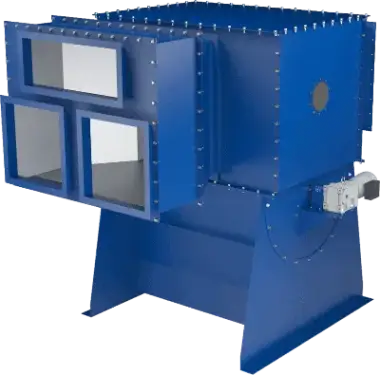
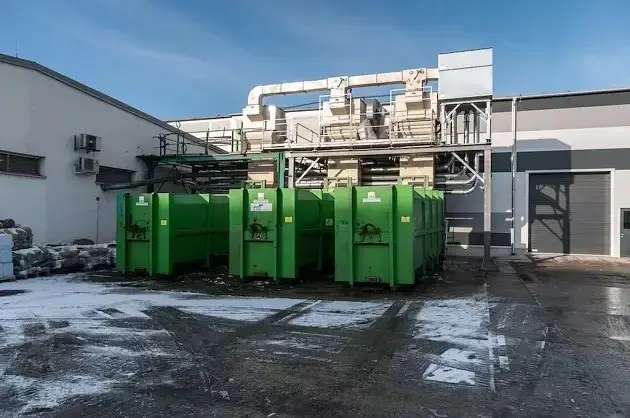
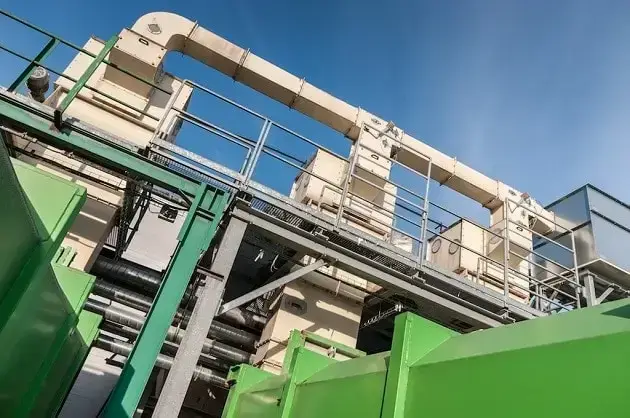
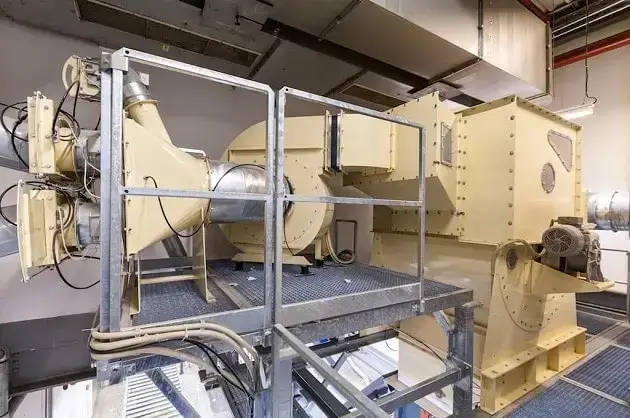
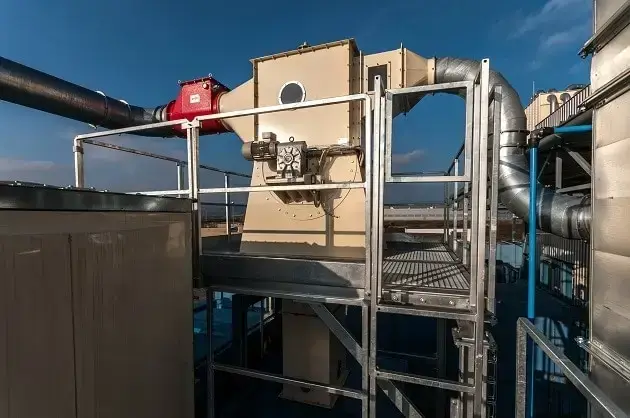
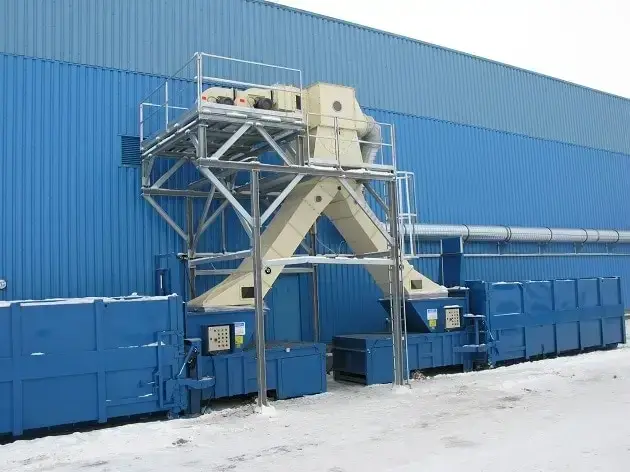
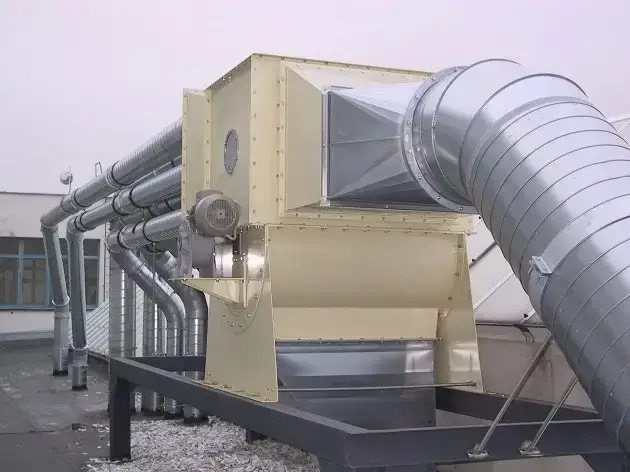
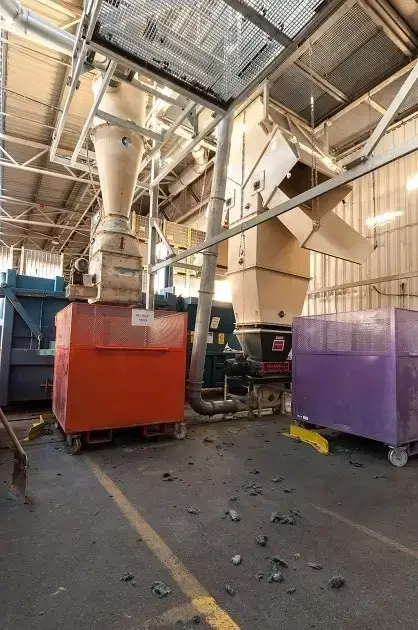
These are mechanical separators used to separate a specific fraction of the extracted material for further waste processing by compaction. Material separation occurs through the retention of particles on the screen of the rotary separator. The size of the holes in the separator’s screen determines the size of the retained material fraction and the size of the fraction that passes through the separator into the ventilation system, most commonly into a filtration unit. The material separated on the screen of the rotary separator is scraped off by rotating scraper bars (hence the name ‘rotary separator’) and then conveyed to the discharge spout. Gravity separators are usually mounted on a steel structure above a container or a waste compactor.
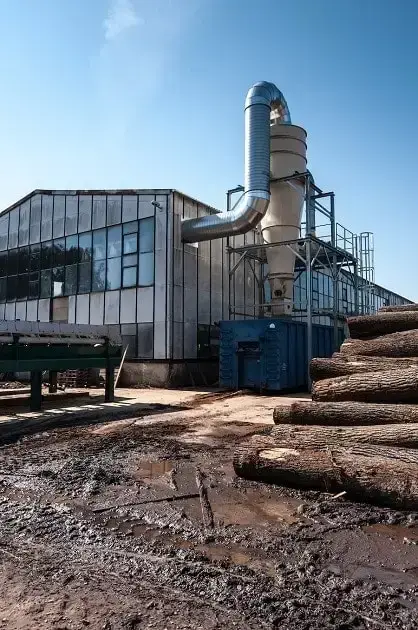
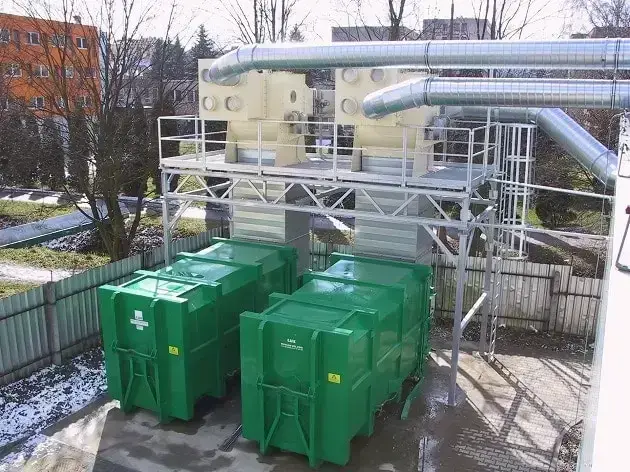
Rotary separators are most commonly used to separate paper cuttings, PVC cuttings, Chemlon clumps and other materials which, once separated, are bulky; for space reasons, it is necessary to process them by compaction. Gravity separators remove the bulky fraction from ventilation systems, thereby preventing the filtration equipment from becoming clogged with this material. Rotary separators are frequently used in the paper processing industry, such as in book manufacturing plants, cardboard packaging factories, etc. A common method of processing waste separated by a rotary separator is compaction using baling presses, compactors or compaction containers. In operations where continuous extraction is required without interrupting production, two identical separators are usually installed to allow for the replacement of full containers; arranged in parallel with automatic switching based on the fill level of the containers.
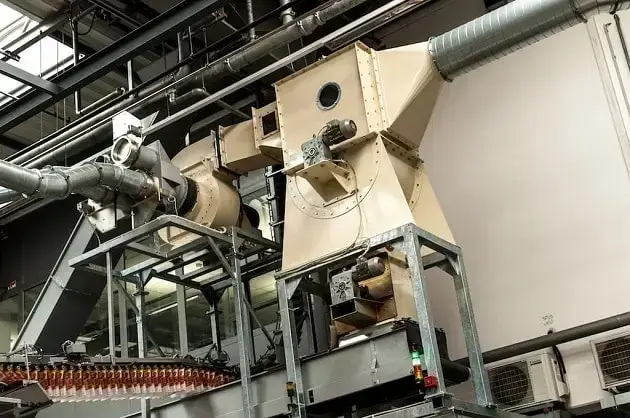
The most common application for a rotary separator is in a positive-pressure configuration, i.e. in a ventilation system downstream of a transport fan. In special applications where it is necessary to protect the transport fan from the conveyed material, due to its size, the rotary separator is usually positioned upstream of the transport fan. The maximum permissible overpressure / underpressure of the separator is +/- 4000 Pa. The separator is designed for an extracted air temperature of -20 to +50°C. The speed of the separator’s scraper rotor must be controlled by a frequency converter.
Rotary separators are manufactured in capacity ranges from 3,000 m³/h up to 50,000 m³/h. A rotary separator of any capacity contributes to an increase in the system’s total pressure drop of approximately 1,000 to 1,300 Pa within the ventilation system.
In applications where a rotary separator is installed, the extraction capacity can be controlled. The separator’s separation efficiency is not affected by variations in the air flow rate through the rotary separator. When regulating extraction capacity, care must be taken to ensure a minimum velocity in the extraction branches, as material being extracted may otherwise become trapped. The solution is to install several separate extraction branches leading from the separator’s collection duct to the extraction point.
The standard configuration of a rotary separator includes an inlet collection duct with non-return valves, an outlet duct for connecting pipework, connecting pipework to a baling or packing press, and a steel structure with walkways and service platforms.

© 2026 CIPRES FILTR BRNO s. r. o.
All rights reserved