CENTRAL VACUUM CLEANING SYSTEMS
Applications
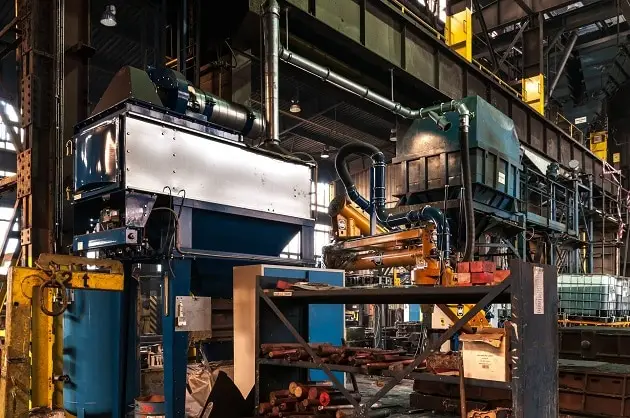
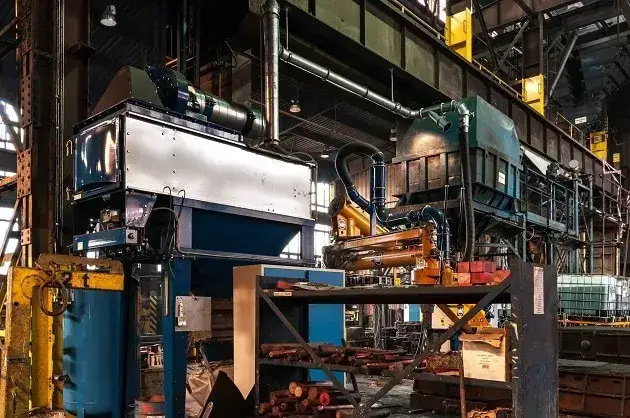
Central vacuum systems are used in industrial facilities and halls where there are high standards for workplace cleanliness. Central vacuum systems facilitate the rapid and dust-free cleaning of both workspaces and production halls, as well as access routes. In power stations and heating plants, central vacuum cleaners are used for the regular removal of coal dust deposits to ensure that the environment along the coal-feeding routes is free from the risk of explosion.
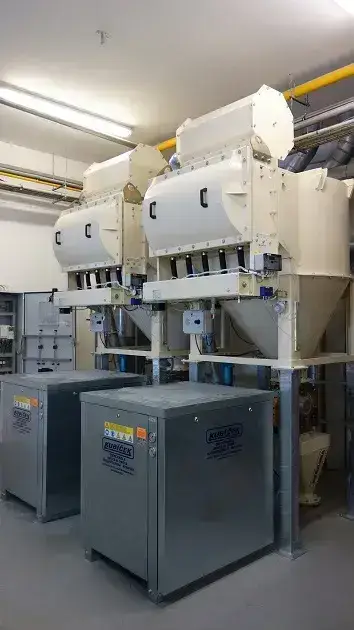
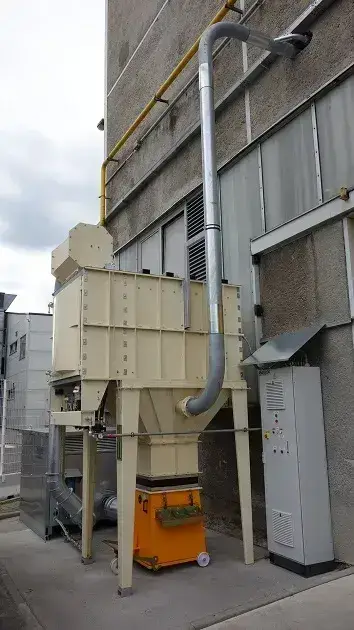
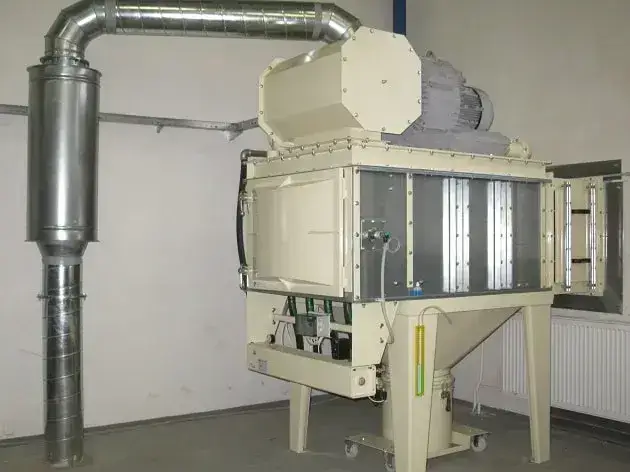
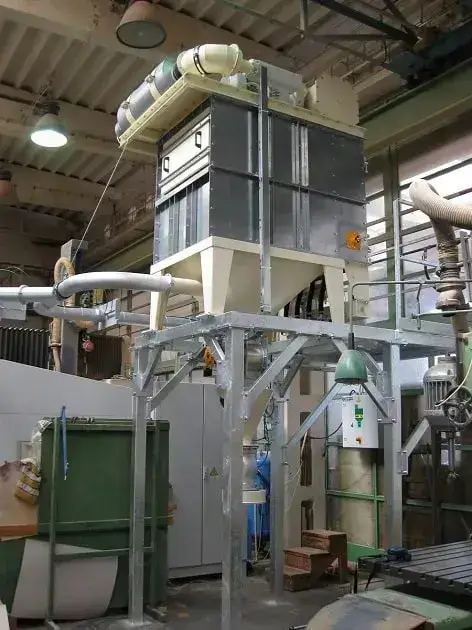
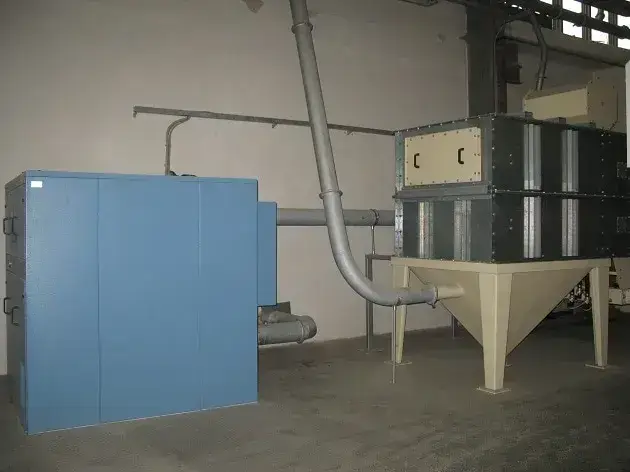
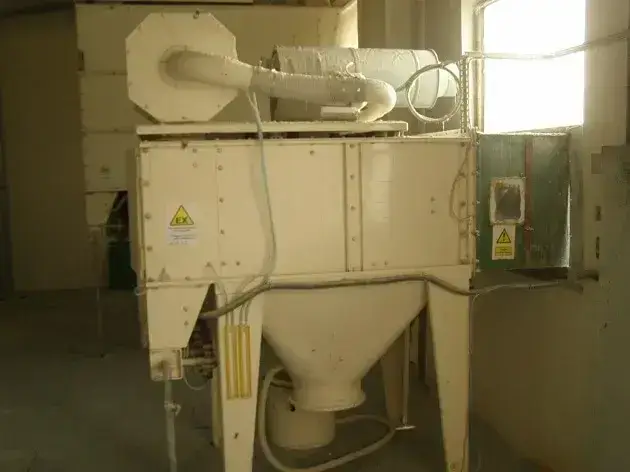
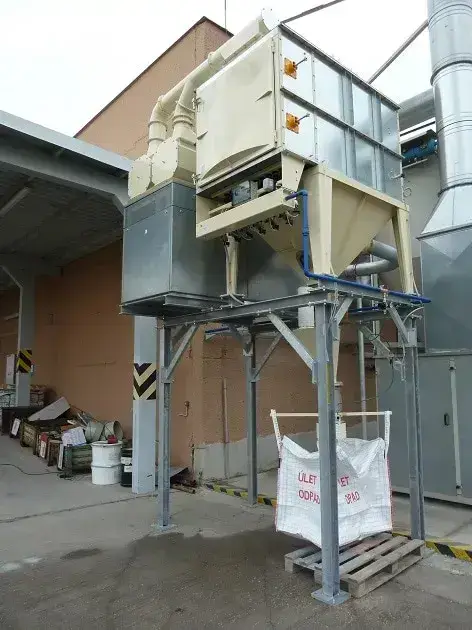
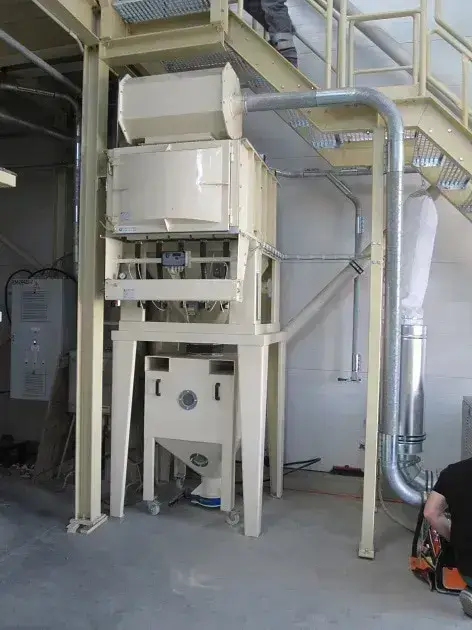
A central vacuum cleaner consists of a filtration unit fitted with a high-vacuum turbine or a Roots blower. A central pipework system, which covers the area to be cleaned, is connected to the high-vacuum unit. The central ductwork is fitted with connection points at regular intervals along its entire length to allow for the connection of a suction hose with a nozzle. It is not uncommon for the ductwork of a high-capacity central vacuum system to extend to several hundred metres in length. Performance specifications are designed individually for each central vacuum system. They depend on the length of the pipework, the number of points being vacuumed simultaneously, the particle size of the material being extracted, and other factors. In the largest systems, we use a frequency converter to control the suction power. The frequency converter regulates the speed of the Roots blower, thereby maintaining the set vacuum in the suction pipework. The central vacuum system responds to changes in the number of connected suction hoses and ensures a continuous vacuum at the suction inlets. A switch is installed at each connection point, which activates the central vacuum system the moment a suction hose is connected.
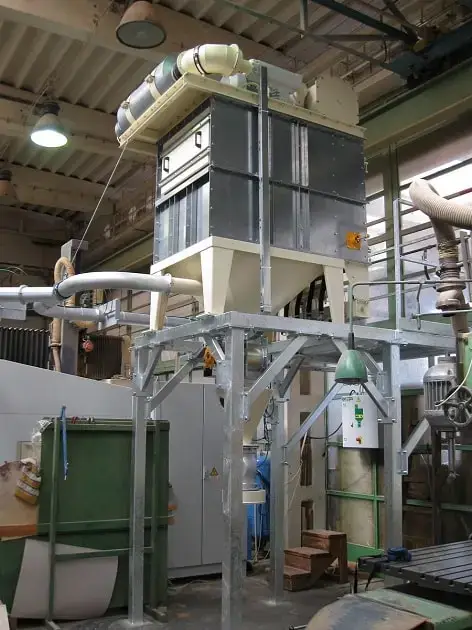
We also manufacture filtration systems designed for the extraction of explosive dust. When designing or installing an extraction system for explosive dust, we adhere to at least the following basic rules: We ensure that the extraction pipework is properly electrically earthed between individual components, from the extraction hose right through to the CARM GH filtration unit. We ensure that the entire assembly is properly earthed. We fit the filter unit with pressure relief membranes, which are directed into a safe area. We manufacture the filter housing in a pressure-resistant design and supply an antistatic filter medium. We install non-return valves in the extraction ducting to prevent the backflow of air into the intake ducting, and we maintain a flow velocity in the extraction ducting of over 20 m/s.
In most cases, we control central vacuum cleaners using a frequency converter linked to the negative pressure in the extraction ductwork. This control system maintains a constant set negative pressure in the extraction system even as the number of connected extraction points varies. We do not fit individual dampers with switches, as experience has shown that this solution is not operationally stable. Buttons for activating the central vacuum cleaner are located on each floor of the building. The vacuum cleaner switches itself off automatically after a set time.
We design and supply our systems in such a way as to avoid burdening clients with high operating costs for the filtration system. They utilise smooth filter sleeves made from microporous filter fabric. The filter sleeves contain no seams, do not tear and are highly resistant to mechanical stress. For central vacuum cleaner applications, we guarantee a service life of at least 3 years for the filter media.

© 2026 CIPRES FILTR BRNO s. r. o.
All rights reserved