FOUNDRIES
Applications
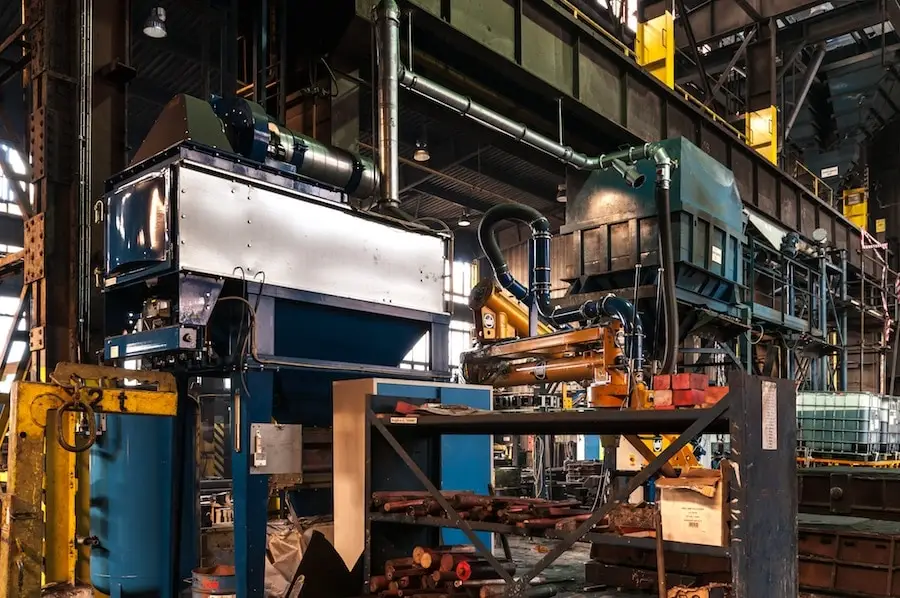
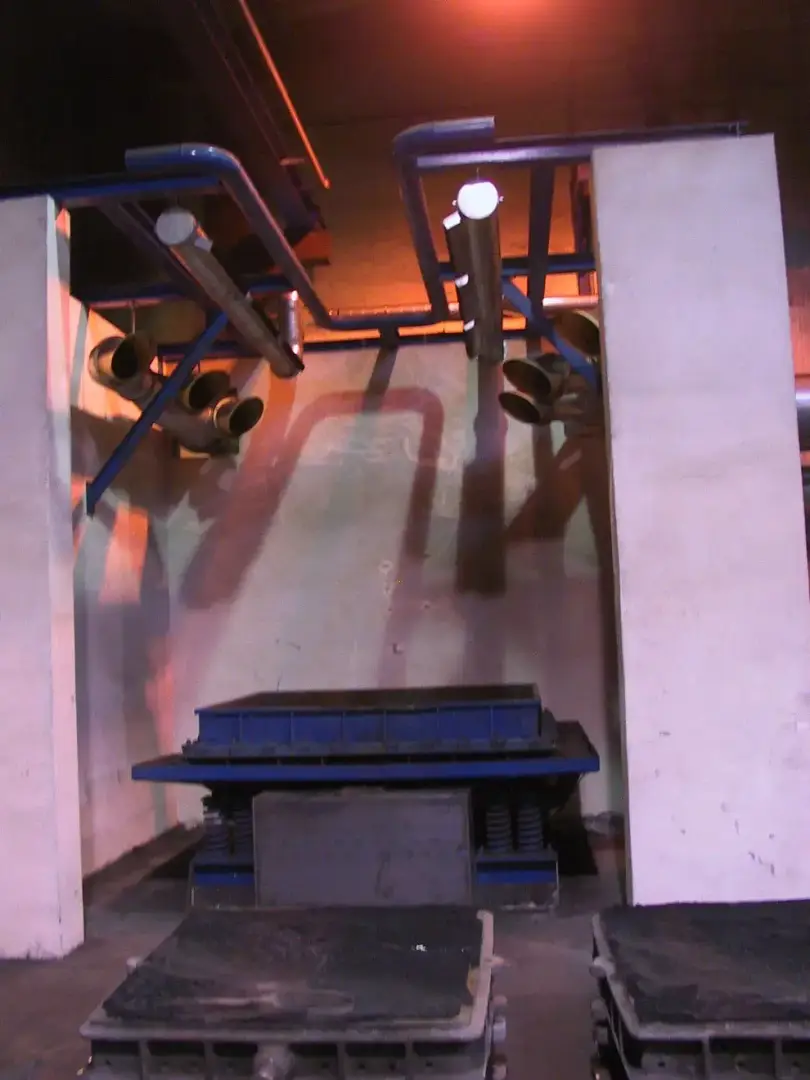
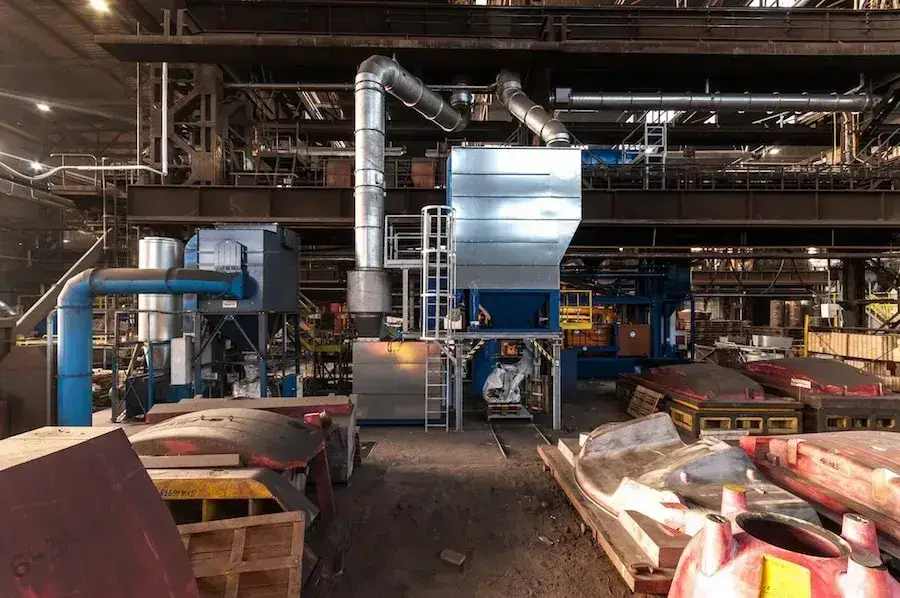
Foundry operations are among the dustiest. Dust is released into the workspace both during the handling, regeneration and storage of foundry sand, and during the finishing of castings by shot blasting, grinding or burning. Individual workstations in the foundry must be extracted very thoroughly.
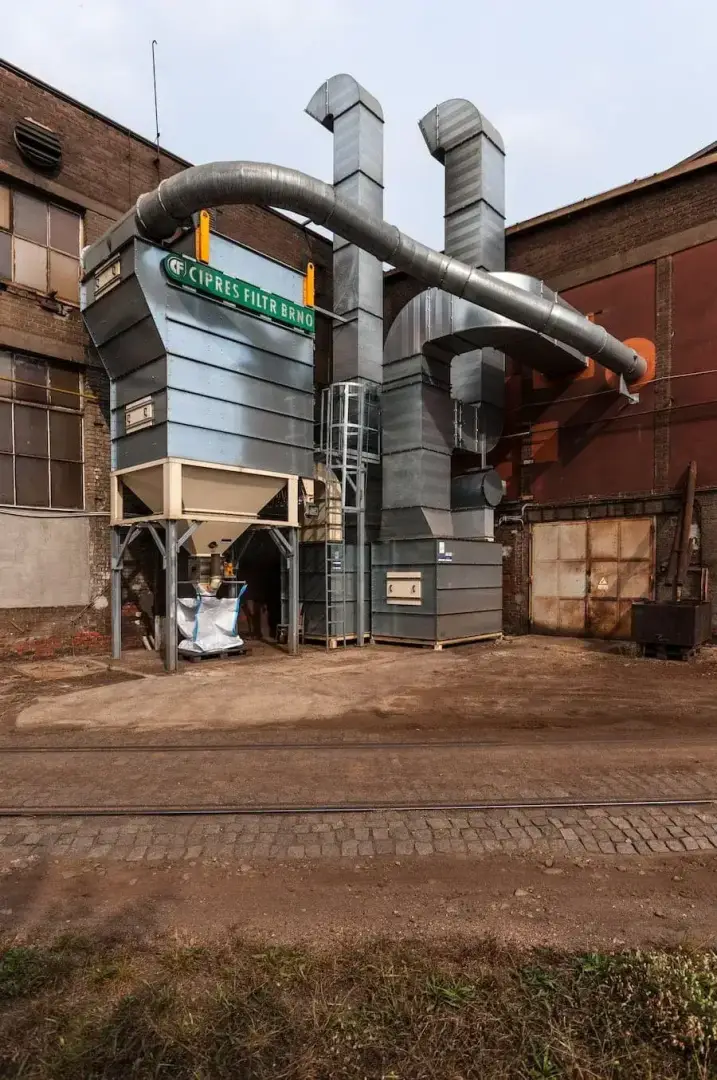
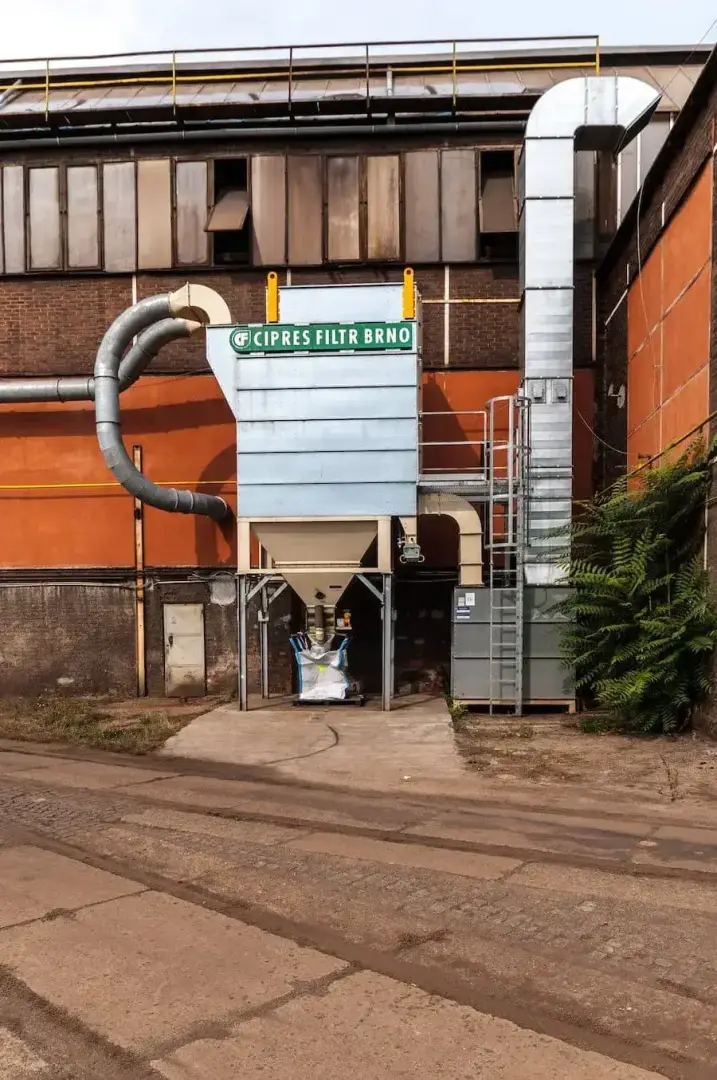
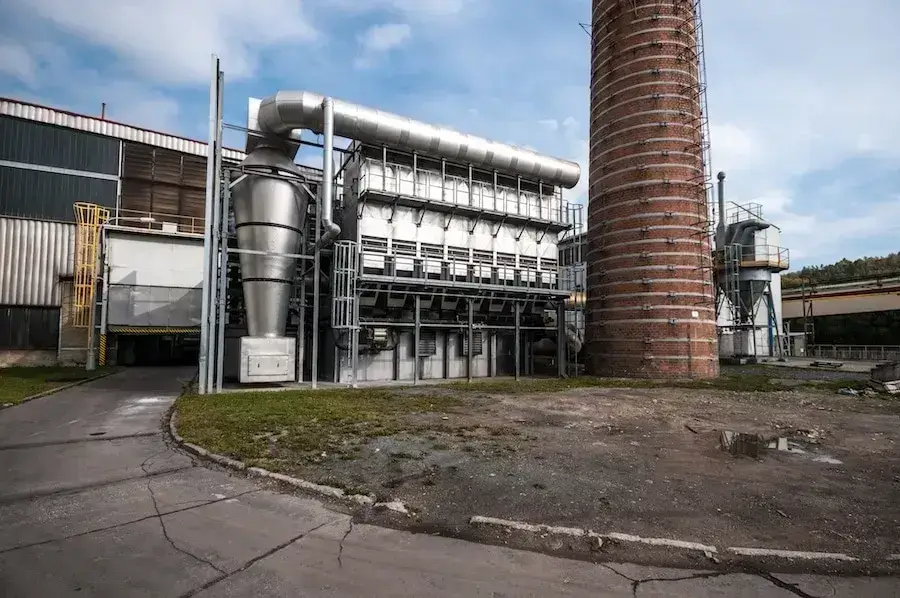
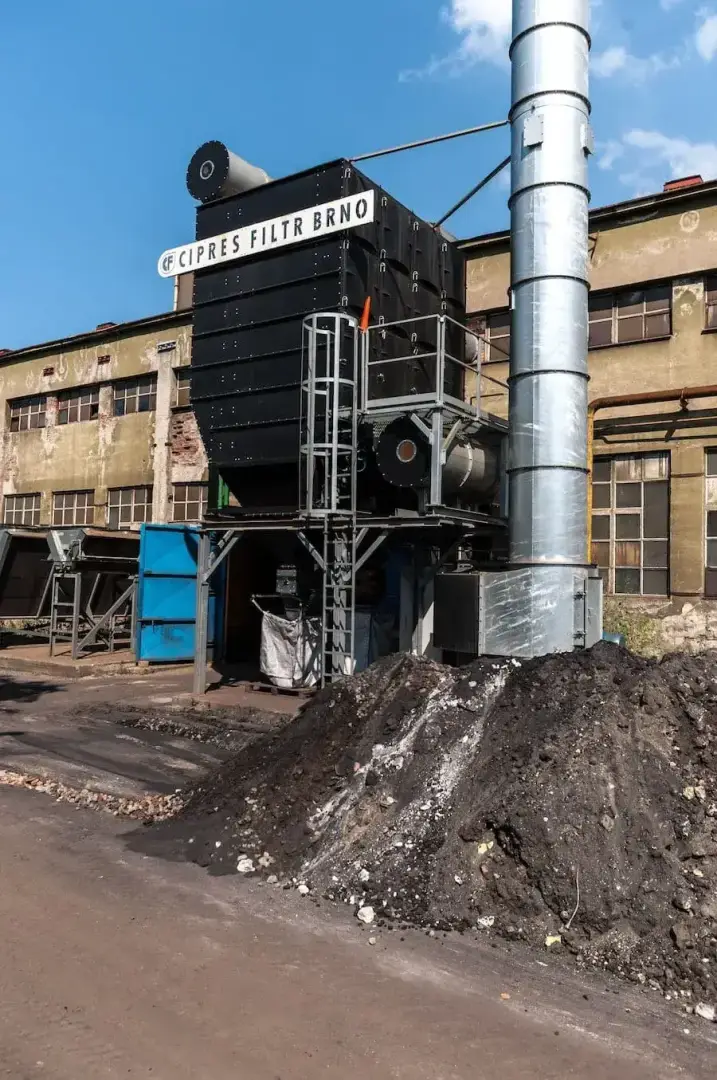
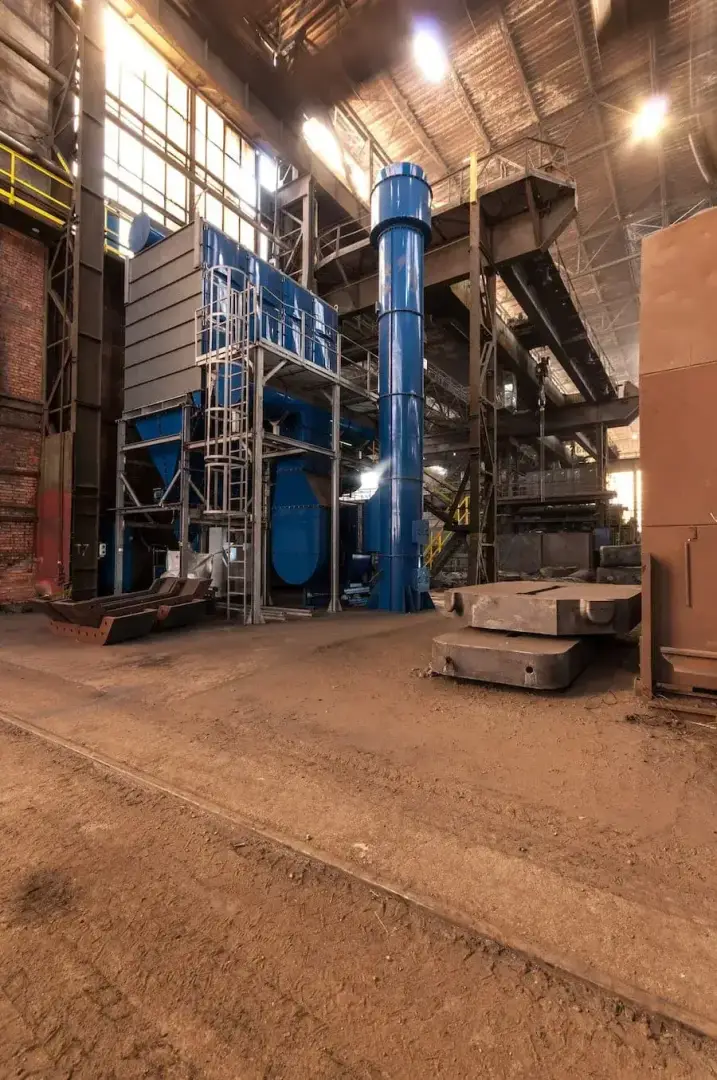
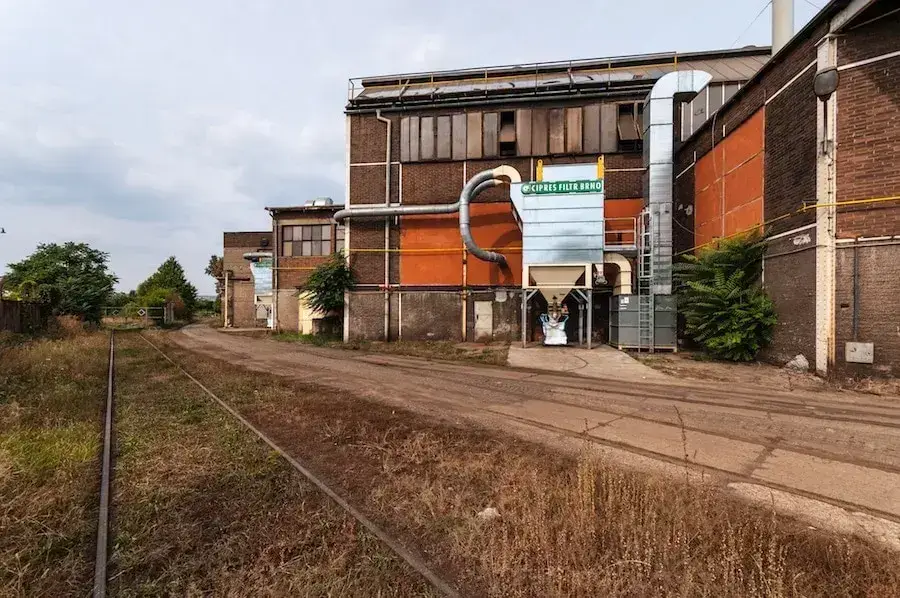
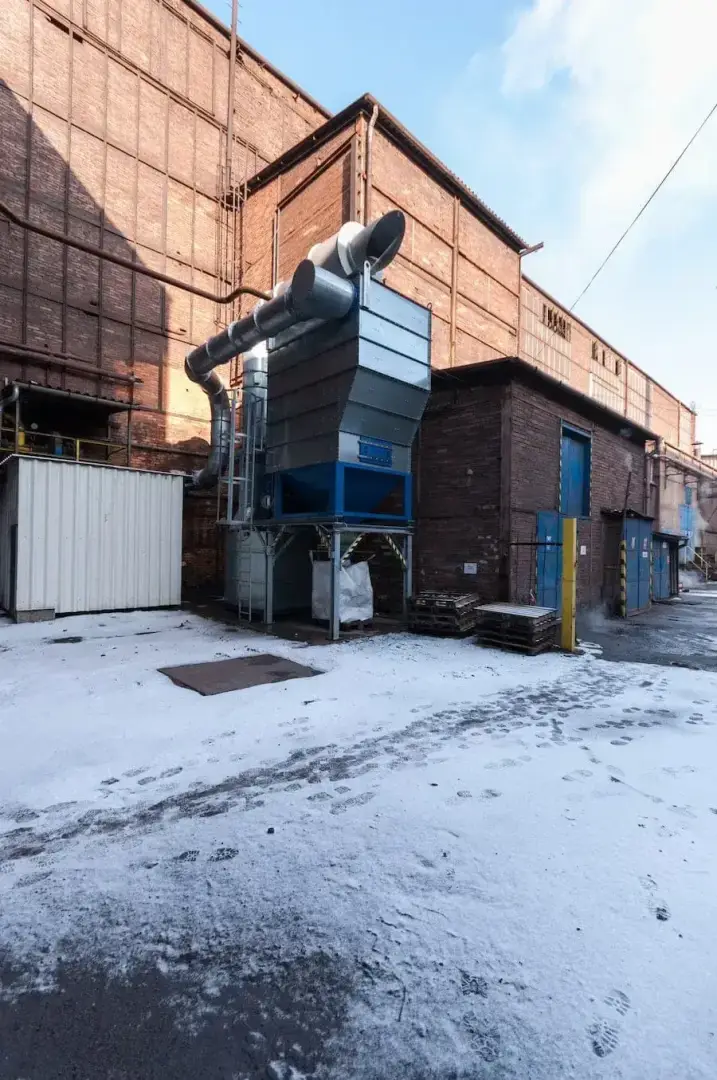
For our applications, we use CARM GH-type filtration units, equipped with automatic regeneration of the filter media using counter-flow compressed air. In foundry operations, the filtered air can be returned to the production hall, but only provided that it is not contaminated with odourous components. For filtration equipment designed for foundry dust, we specify a residual dust emission level (TZL) of 1 to 2 mg/m³.
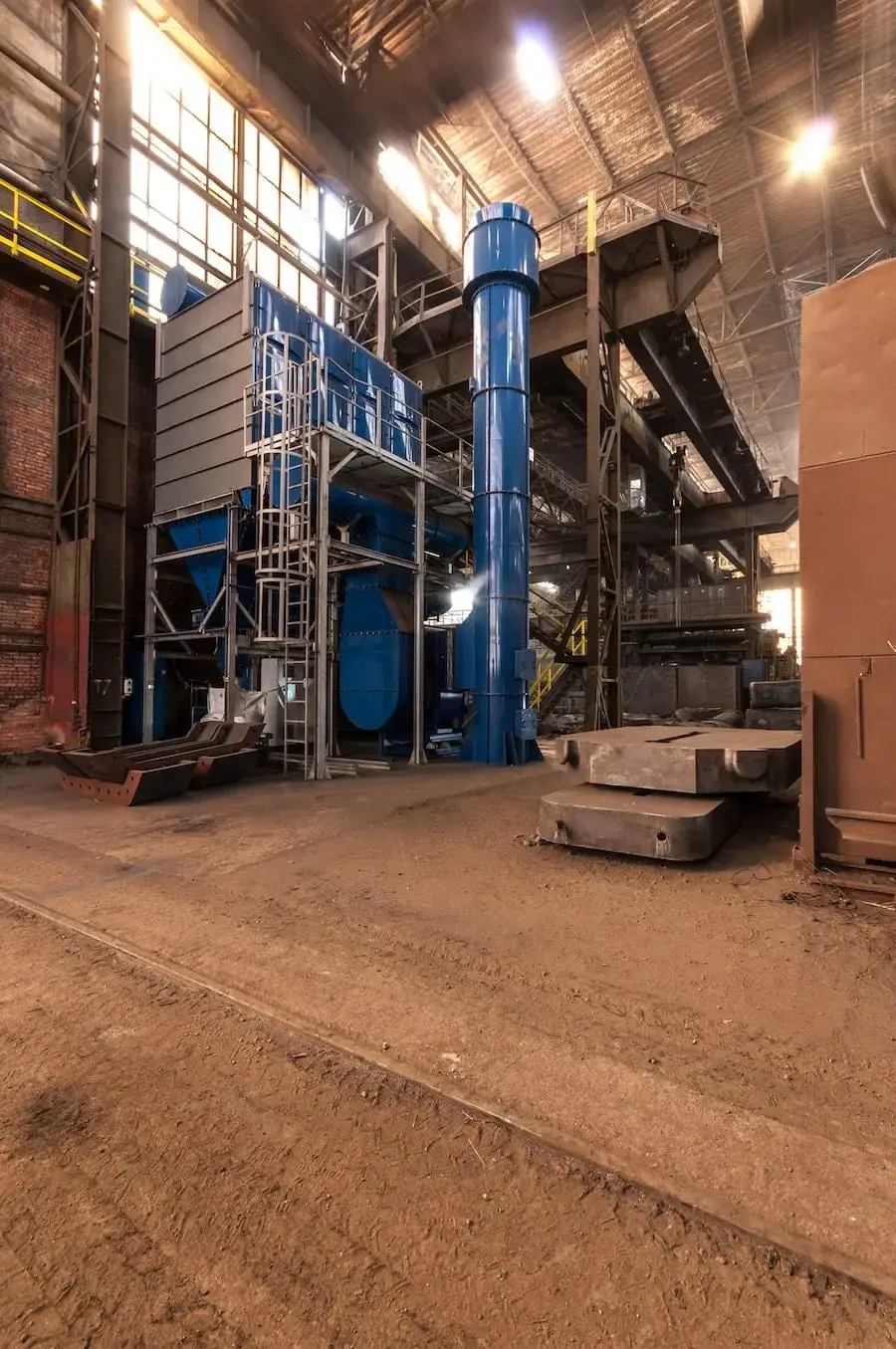
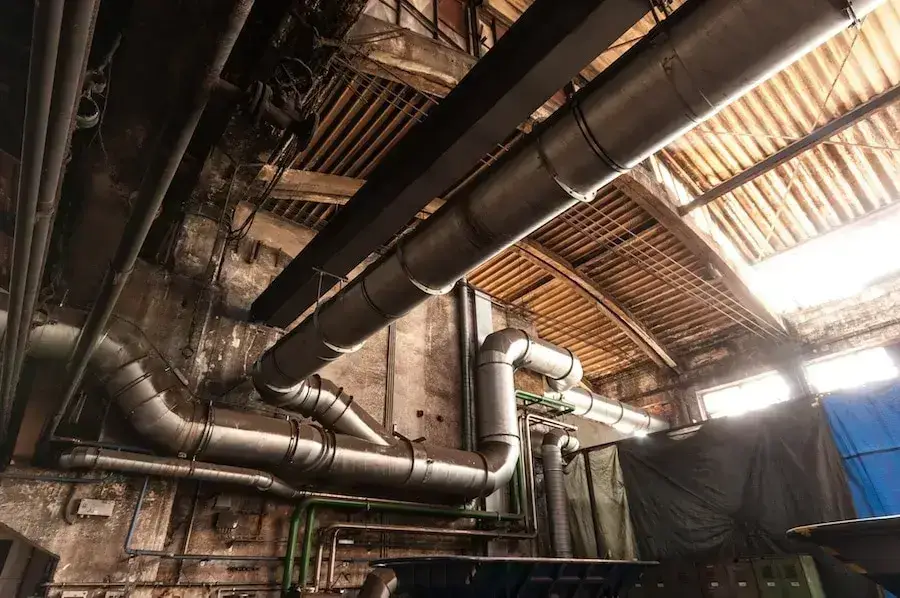
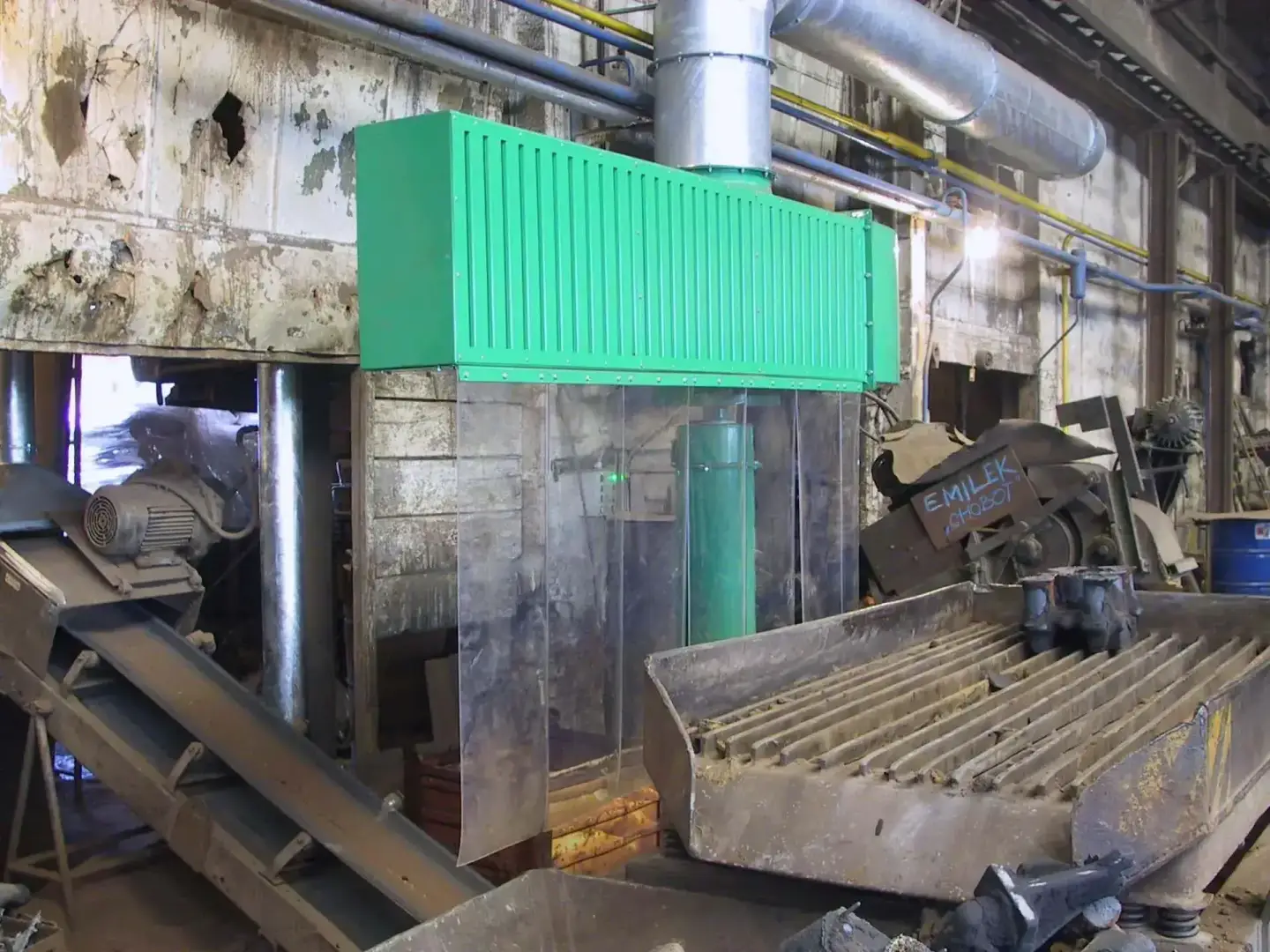
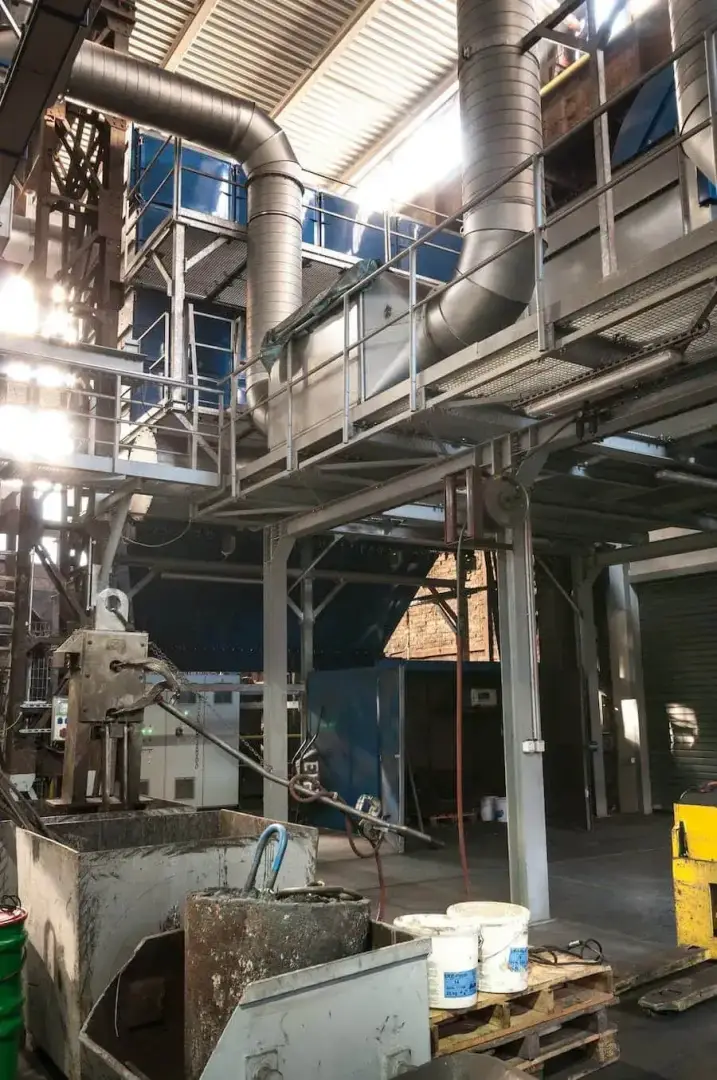
The most common application of extraction and filtration systems is the extraction from shaking screens, sand conveyors, and sand regeneration and storage facilities. Determining the correct extraction capacity is a highly demanding task for each workplace. We design individual filters so that the captured dust is collected in large-capacity hoppers. Due to the high abrasiveness of the extracted dust, we opt for the shortest possible duct runs. We often equip the CARM GH filtration system – the most suitable type – with integrated pre-separators for coarse impurities.
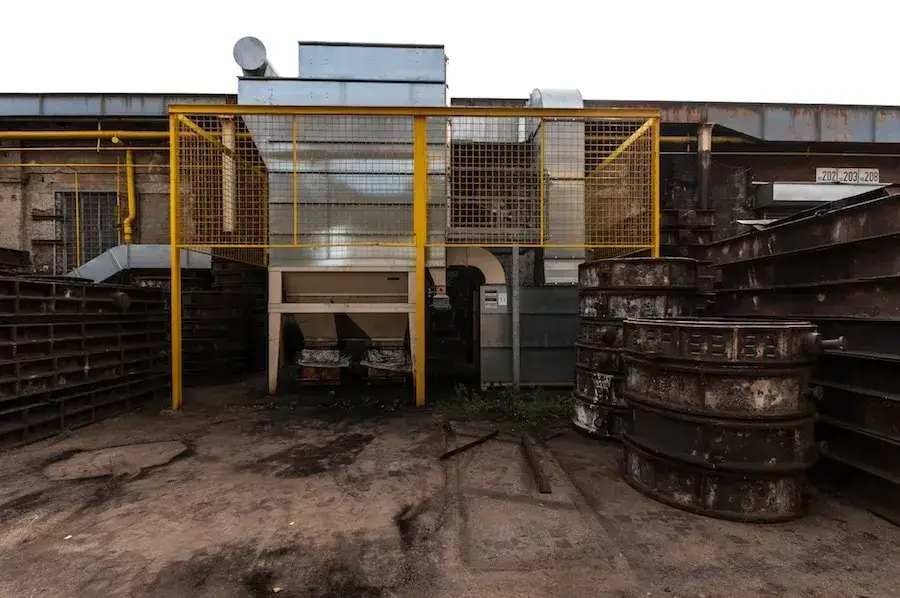
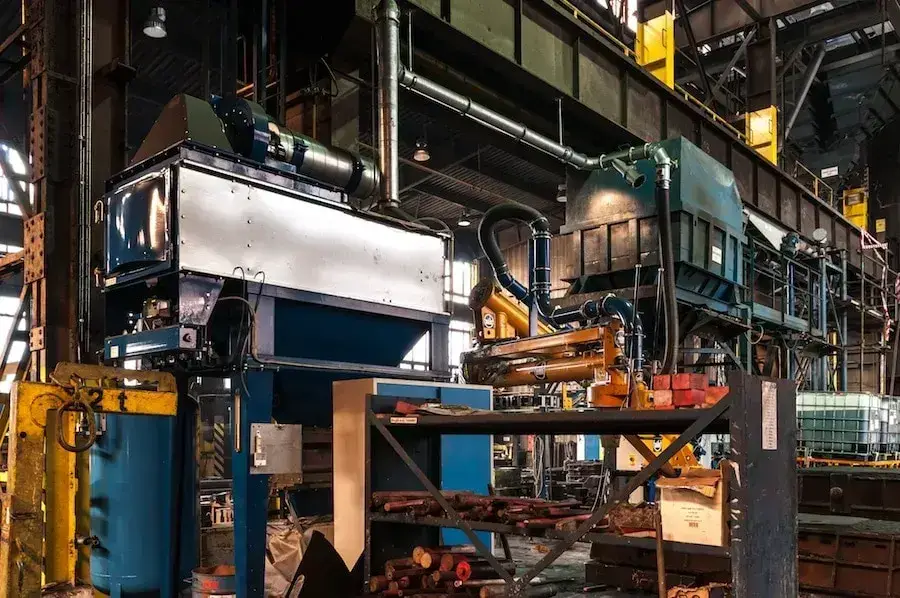
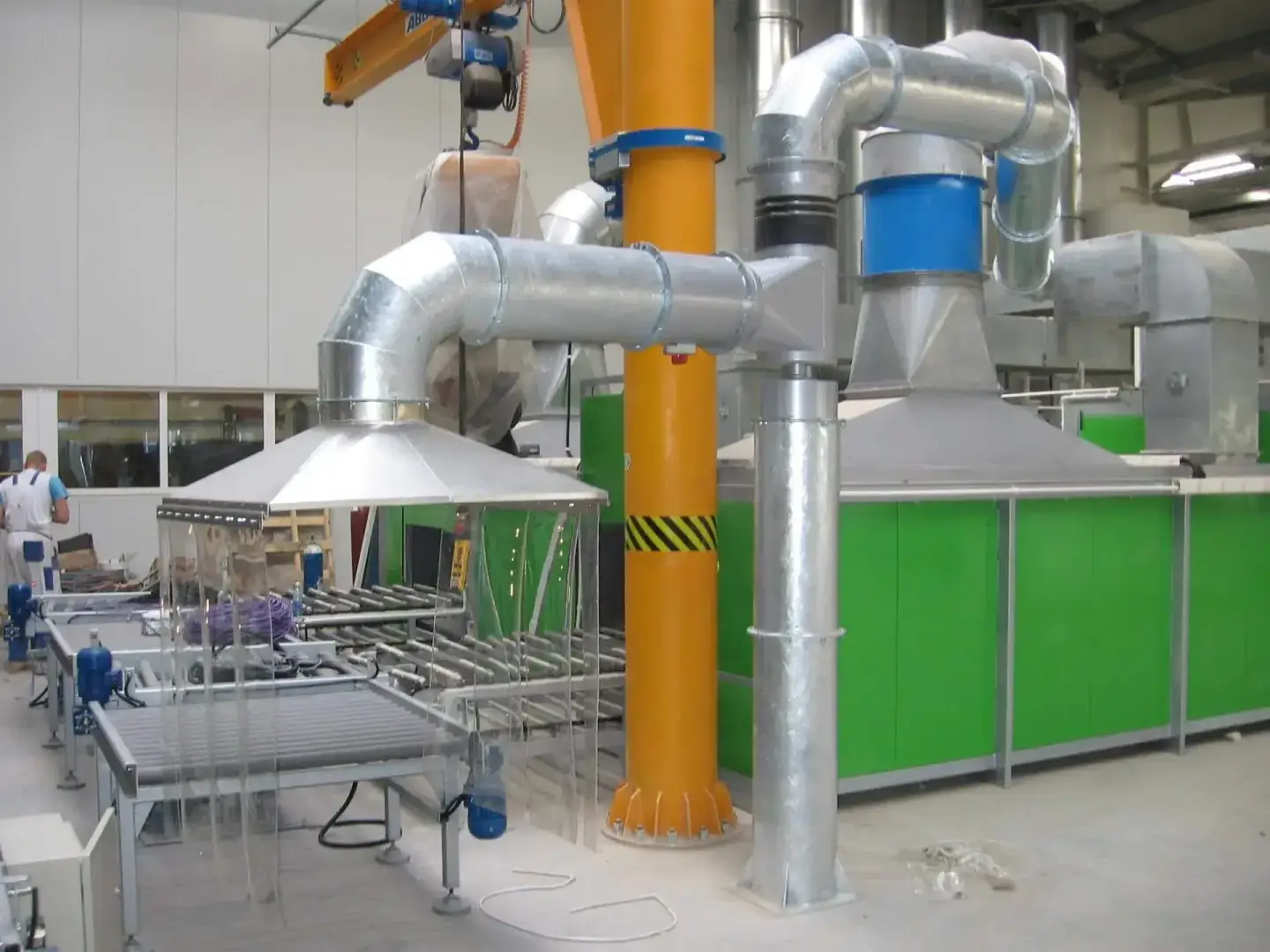
Blast machine dust extraction is a very common application. Our company collaborates with leading blast machine manufacturers, to whom we supply filtration systems tailored precisely to their requirements. At the same time, we focus on implementing dust extraction solutions for older types of blast machines. An important part of the extraction system is the abrasive pre-separator located directly at the blasting machine. Modern machines are already equipped with this pre-separator, but we retrofit many older machines with these separators to prevent the excessive extraction of otherwise usable abrasive material.
Our projects include the replacement of obsolete separators with new fabric filter systems. When replacing a wet separator, we first assess the volume of air extracted at each connection point on the suction pipework, and only then do we design a specific extraction system. It is not uncommon for the original wet separator installations to be either significantly oversized or, conversely, undersized in terms of capacity.
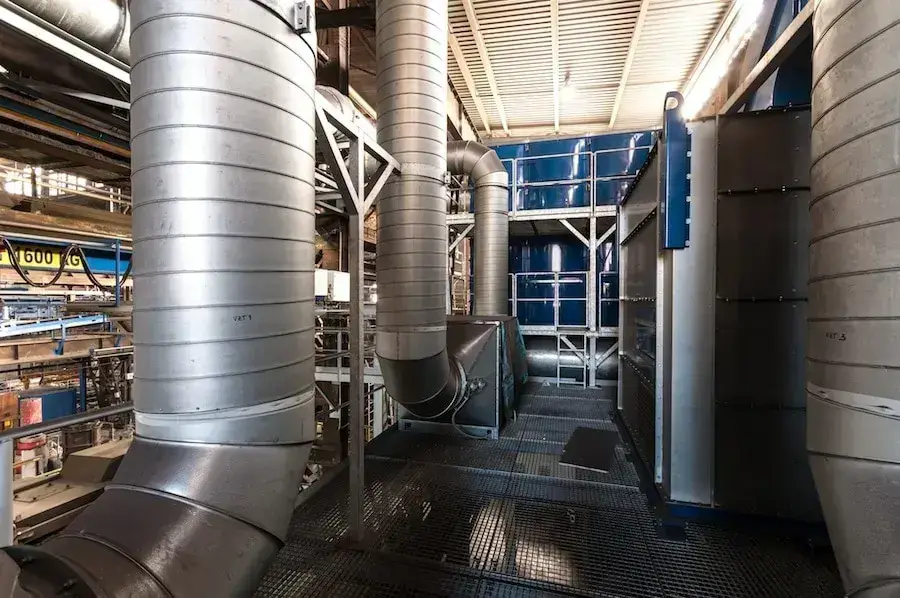
We are increasingly installing extraction systems equipped with smart control. Filtration units, in conjunction with a variable-frequency drive, automatic dampers, a control system and sensors, regulate the extraction capacity in relation to individual workstations. A specific feature of extractor fan control in foundries is the need to route each regulated extraction line directly from the dust source to the filtration unit. Given the properties of foundry dust, restricting the flow velocity in the ductwork would lead to the accumulation of deposits within the ductwork, which is undesirable. A smartly controlled filtration system starts and stops automatically. By installing smart control, we help our clients save on electricity costs.
We design and supply our systems so as not to burden clients with high operating costs for the filtration system. They utilise smooth filter sleeves made from microporous filter fabric. The filter sleeves contain no seams, do not tear and are highly mechanically resistant. For foundry applications, we guarantee a service life of at least 20,000 operating hours for the filter media.

© 2026 CIPRES FILTR BRNO s. r. o.
All rights reserved