COAL AND COKE PROCESSING
Applications
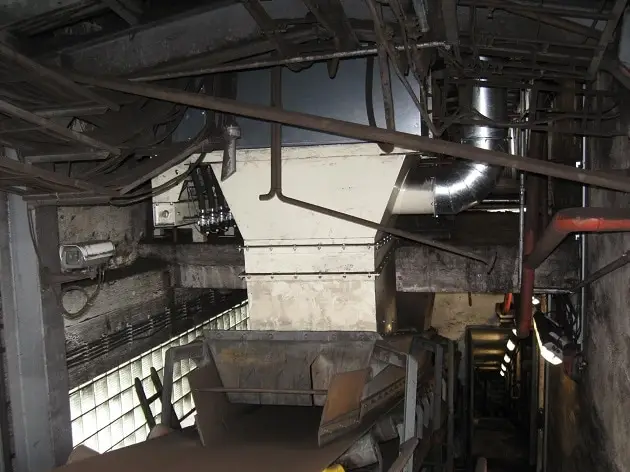
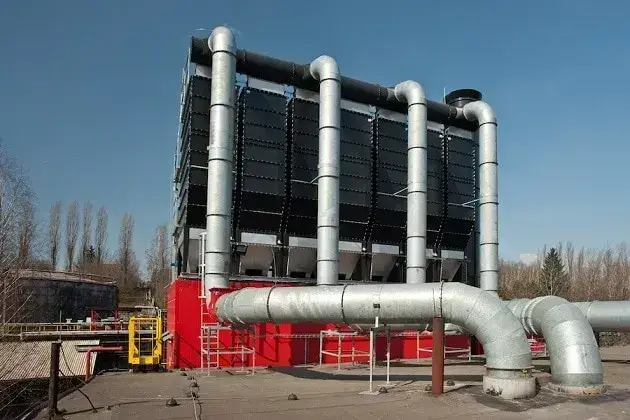
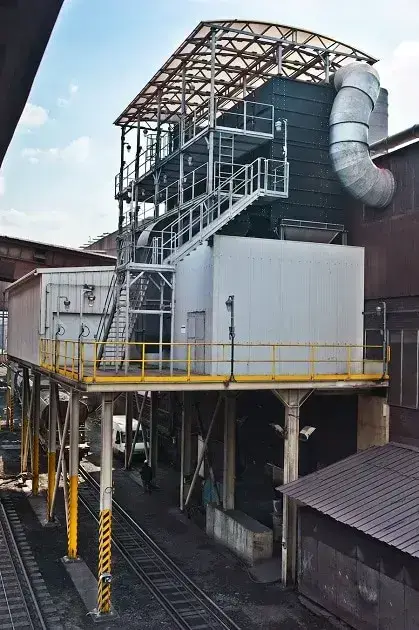
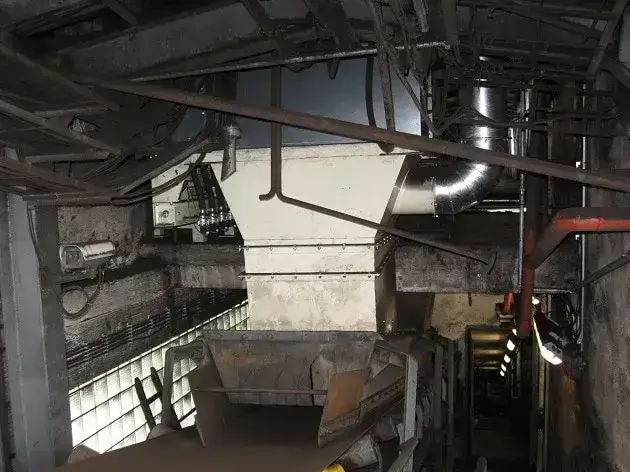
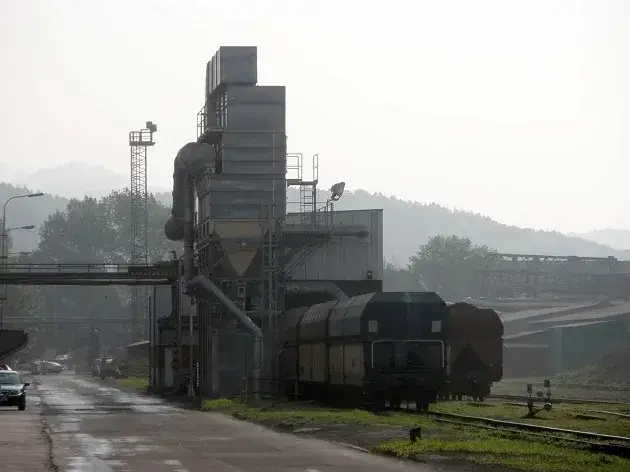
When handling coal, dust particles are released, which spread and settle in the surrounding area of the conveyor routes. Higher concentrations of dust particles, and in particular their accumulation in the work area, can create an explosive atmosphere. The main sources of dust in the coal-handling system are primarily: coal reception at unloading pits, scraper conveyors, belt conveyor transfer points at transfer stations, and the filling of boiler bunkers. The CARM GH extraction and filtration system is designed to extract dust and solid particles at the point of generation, thereby preventing their spread and deposition in the surrounding area.
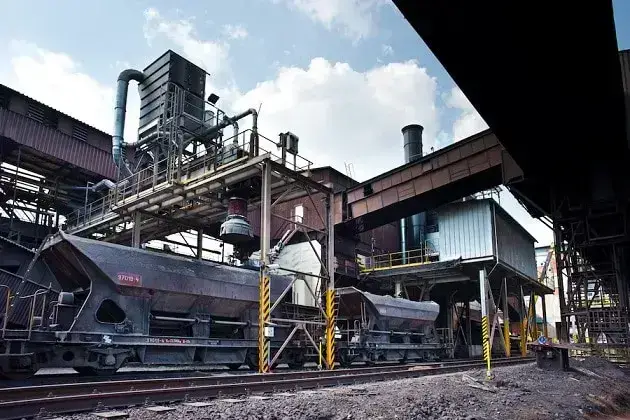
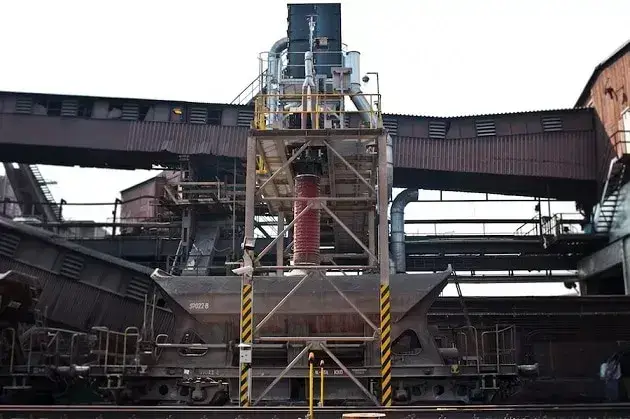
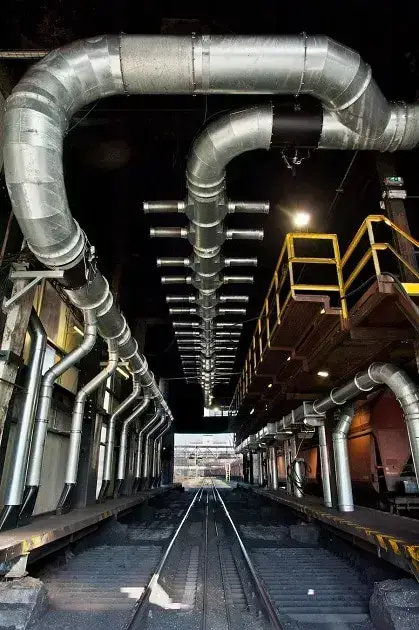
In coal unloading pits or tippers, coal is unloaded into underground storage bins, from where it proceeds for further processing. During unloading, the coal is tipped from the wagon into the hopper, and at this point a large amount of dust is released into the unloading pit operator’s work area. The extraction systems we install ensure that dust is extracted before it rises into the operators’ working area. We install extraction units in the space beneath the operating platforms. We manufacture filtration systems designed for the extraction of explosive dust. When designing or installing an explosive dust extraction system, we adhere to at least the following basic rules: We ensure that the extraction pipework is properly electrically earthed between the individual components, from the extraction unit right through to the filtration equipment. We ensure the entire assembly is properly earthed. We equip the CARM GH filtration units with pressure relief membranes, which we direct to a safe area. We manufacture the filter housing in a pressure-resistant design and supply the filter media in an antistatic form. We install non-return valves in the extraction pipework to prevent the spread of backflow into the intake pipework, and we maintain a flow velocity in the extraction pipework of over 20 m/s.
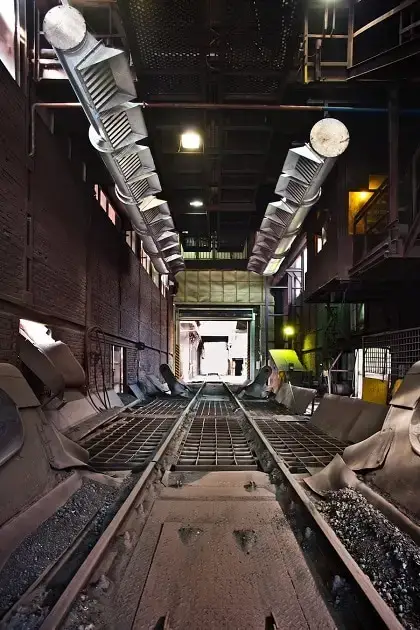
In coal dust extraction applications, the regulation of extraction capacity is largely limited by the requirement for a minimum velocity in the extraction ductwork. Control of the extraction branches is successfully utilised in coal transhipment stations, where there are multiple variants and combinations of conveyor routes. For these applications, a single central extraction unit is installed and, depending on the operational status of the conveyor routes, the system automatically switches the dampers to the dust sources. The filtration system switches on and off automatically in response to the belt conveyor’s operation.
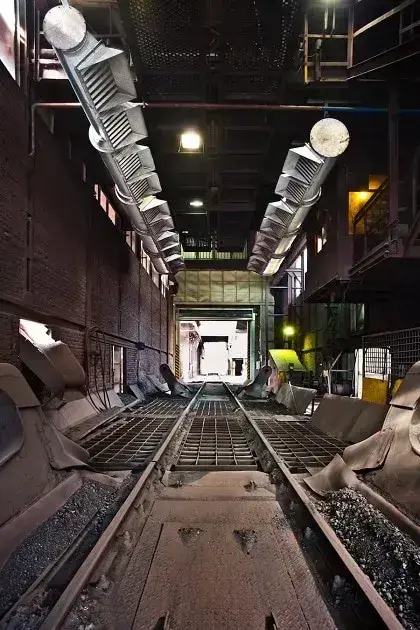
During the sorting and handling of coke, dust particles are released, which spread and settle in the surrounding production area and along the conveyor routes. The main sources of dust in coke sorting plants are predominantly coke crushers and sorters, belt conveyor transfer points at transfer stations, and the loading of wagons. The purpose of the extraction and filtration equipment is to extract dust at the point of generation, thereby preventing its spread and deposition in the surrounding area.
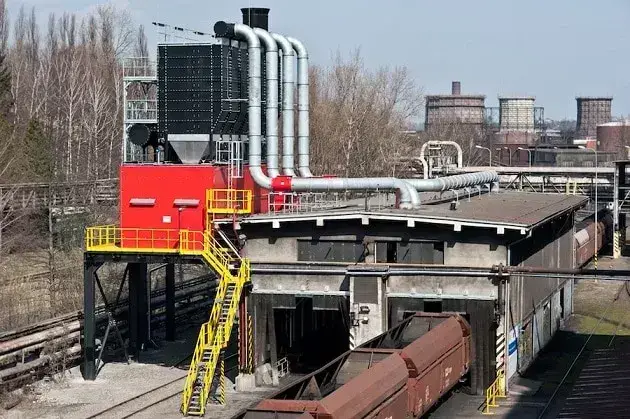
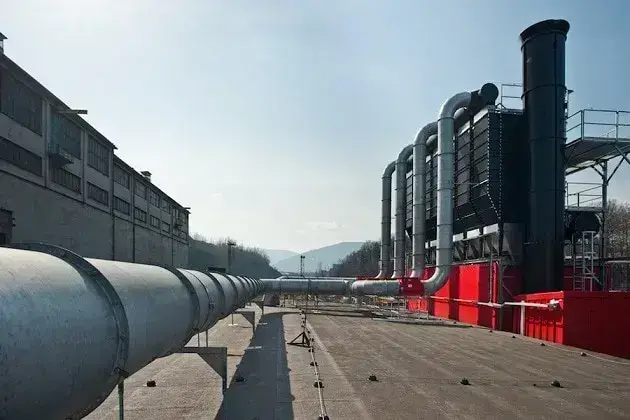
Coke dust differs from coal dust in that it is non-explosive and is much more abrasive to extraction pipework and components of the ventilation system. The most common applications for CARM GH filtration equipment in coking plants are coarse and fine coke sorting plants. During the process, we extract dust from crushers, sorters and material handling routes such as belt conveyor transfer points, elevators and the loading of material into wagons. In most cases, we connect the individual dust sources via extraction pipework and extract the dust using a single shared filtration system. Coke dust is highly abrasive; therefore, the ductwork is constructed using thick-walled, welded pipework from the SK III group. Duct components such as elbows, dampers and branch pipes are subjected to the abrasive effects of the extracted dust. We equip the CARM GH filtration unit with thermal insulation for the filter housing and heating for the filter hoppers. Dust collected by the extraction system is usually returned to dust storage bins for further processing.
The control of the extraction branches is successfully utilised to switch the extraction capacity between individual sorters depending on the current production programme. In the transfer stations of the ‘kosa’, where there are multiple variants and combinations of conveyor routes, a single central extraction unit is installed; depending on the operational status of the conveyor routes, the system automatically switches the dampers to the dust sources. The filtration system switches on and off automatically in response to the belt conveyor.
We design and supply our systems so as not to burden clients with high operating costs for the filtration system. They utilise smooth filter sleeves made from microporous filter fabric. The filter sleeves contain no fillers, do not tear and are highly mechanically resistant. For coke dust removal applications, we specify a service life of at least 20,000 operating hours for the filter media.

© 2026 CIPRES FILTR BRNO s. r. o.
All rights reserved