WELDING SHOPS
Applications
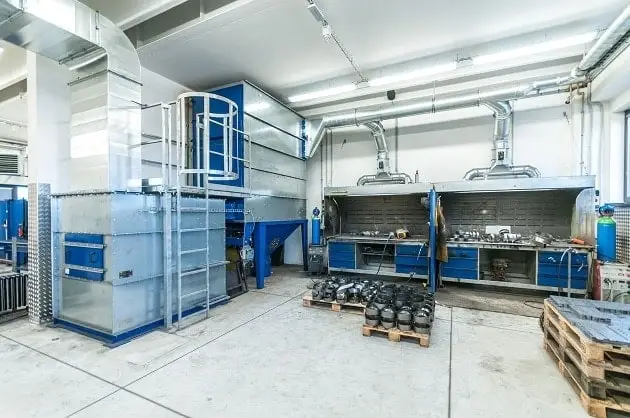
The fumes produced during the welding of metallic materials are harmful. They contain traces of volatile oils and metal particles such as zinc, nickel and chromium, which have undesirable and health-threatening effects on the human body. We design and install fume extraction systems to capture welding fumes close to their source, thereby limiting their spread into the production hall’s workspace.
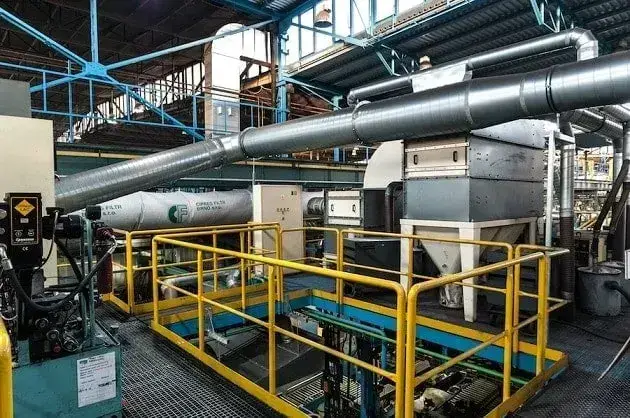
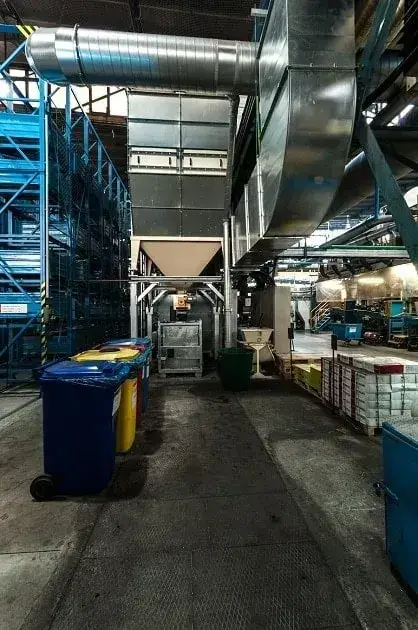
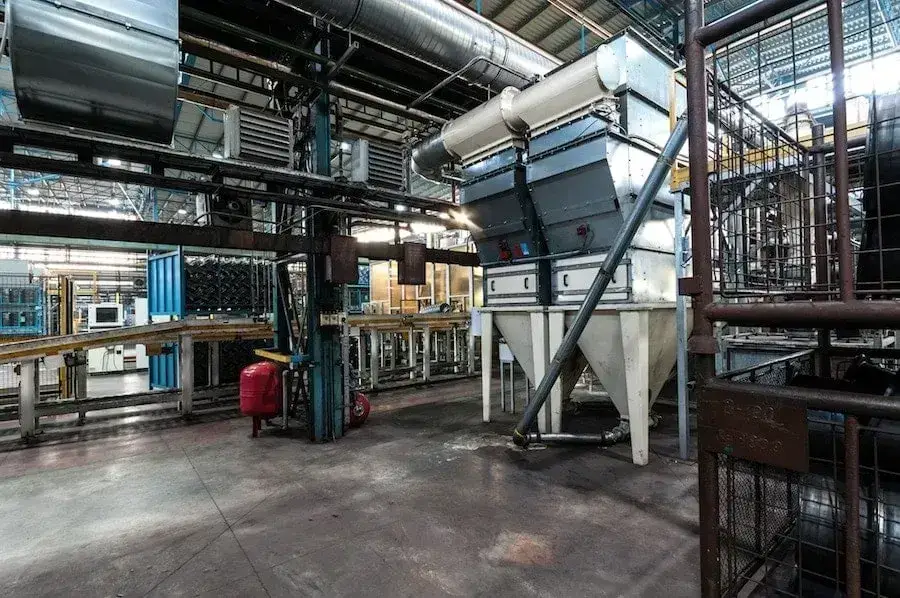
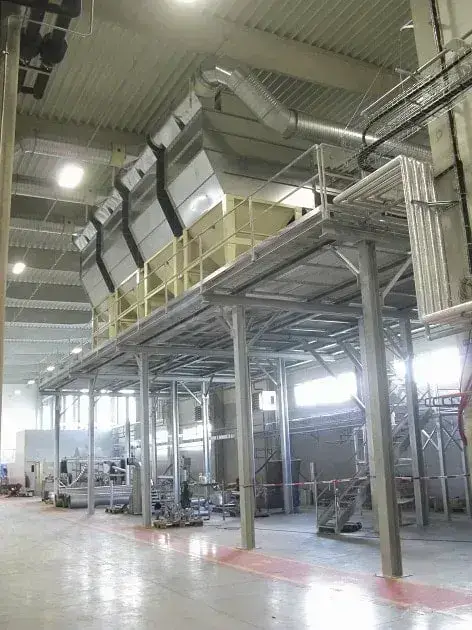
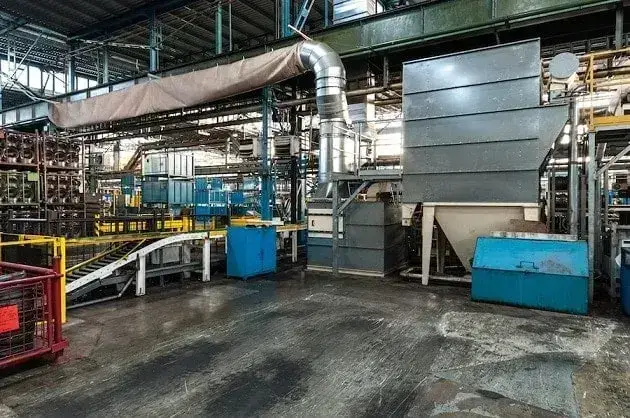
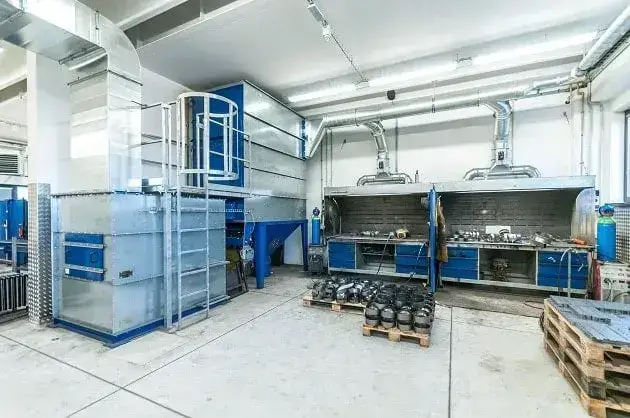
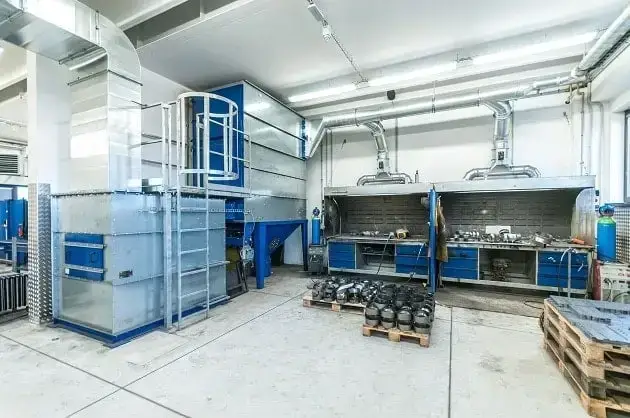
For our applications, we use CARM GH-type filtration and extraction systems, equipped with automatic regeneration of the filter media using counter-flow compressed air. For filtration systems in welding shops, we specify a residual TZL emission level of less than 0.25 mg/m³. The filtered air can be recirculated back into the hall, thereby reducing heating costs.
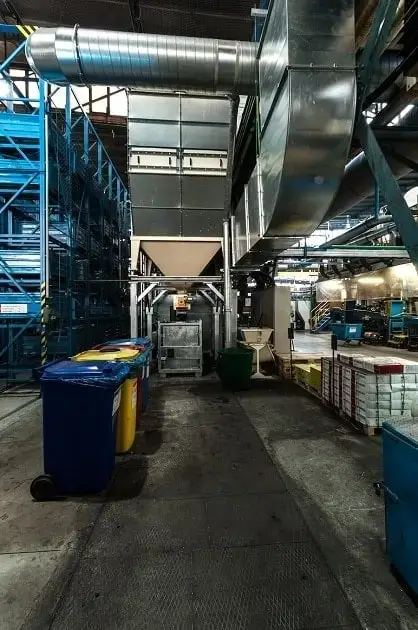
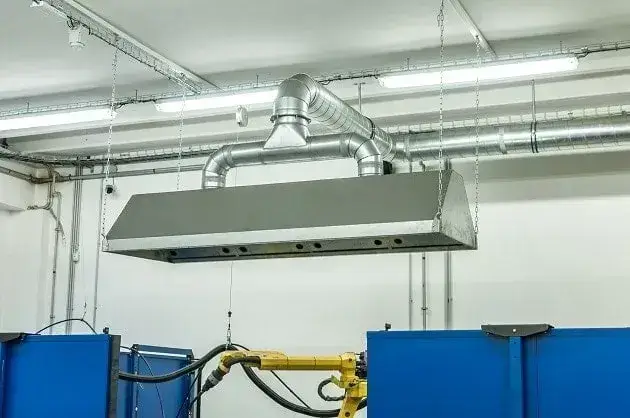
The application of welding fume extraction at robotic workstations is unique to us in that the investor places particular emphasis on the reliability of the installed extraction and filtration technology. Welding robots do not sleep, do not fall ill, and fully robotised welding workstations do not take breaks. The extraction system is therefore subjected to high loads without any opportunity for the filter media to recover.
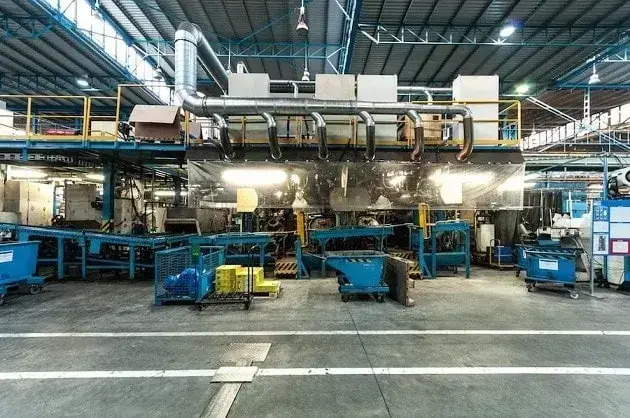
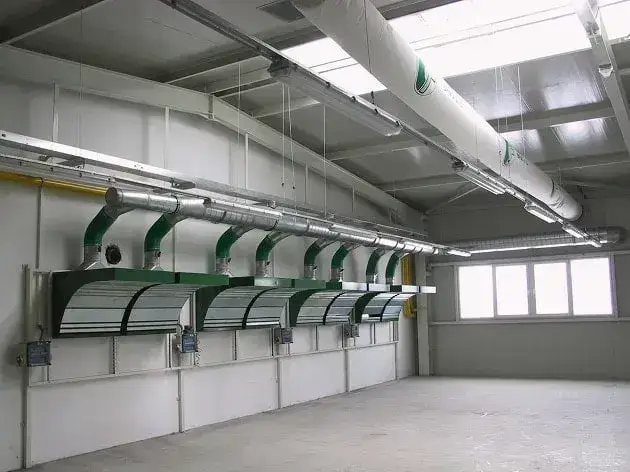
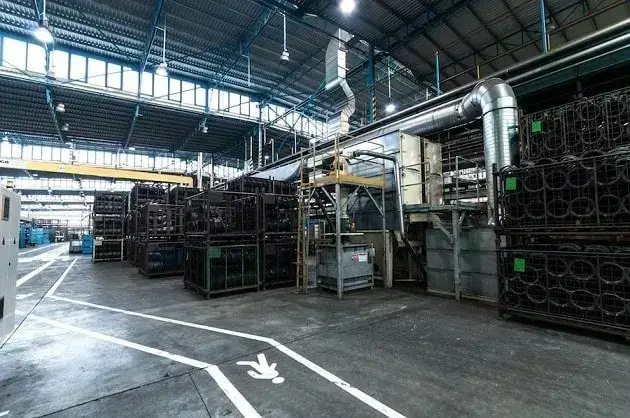
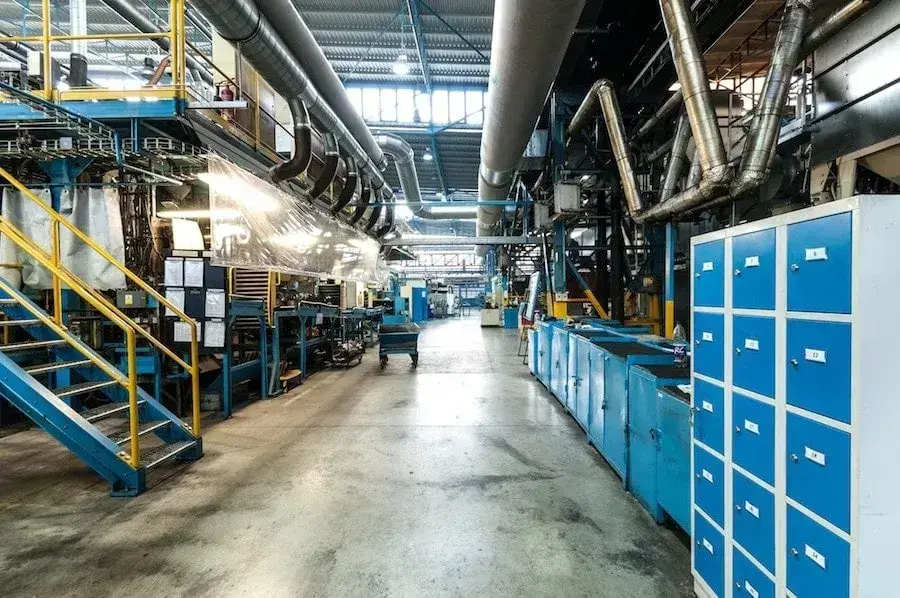
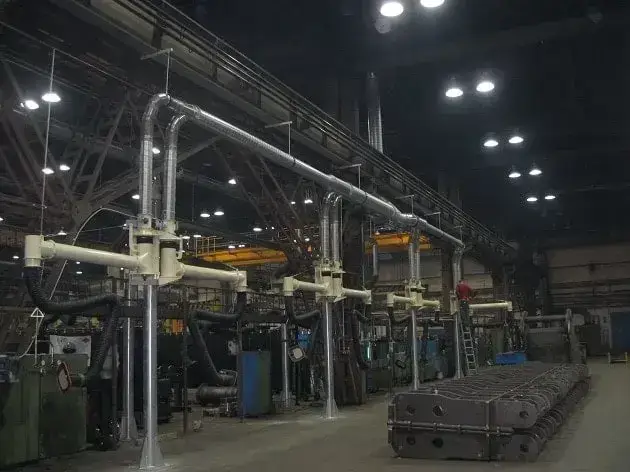
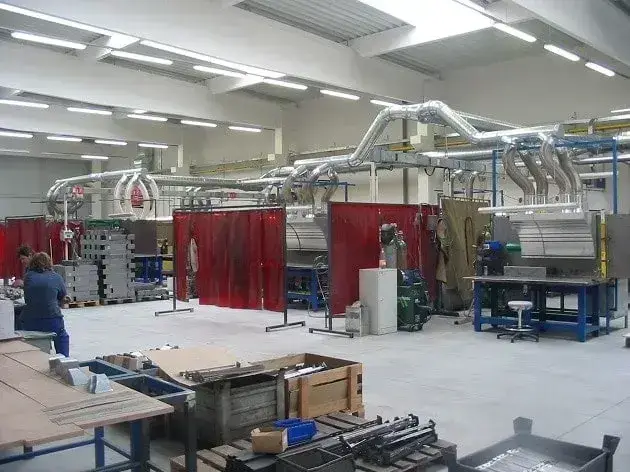
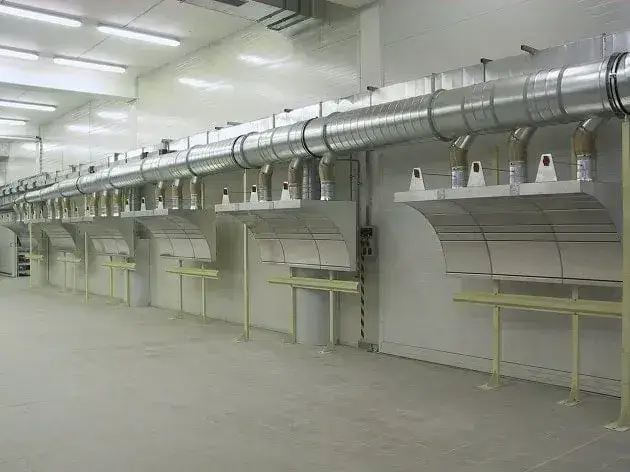
We frequently install whole-room extraction systems for fumes and particulates in welding shops where large welded assemblies are produced. Welding fumes are captured beneath the ceiling via a network of extraction ductwork. In most cases, the extraction ductwork is positioned in the space above the overhead cranes so as not to restrict their operating range. We ensure air filtration and circulation within the welding shop using general extraction, in particular with the CARM GH filtration system.
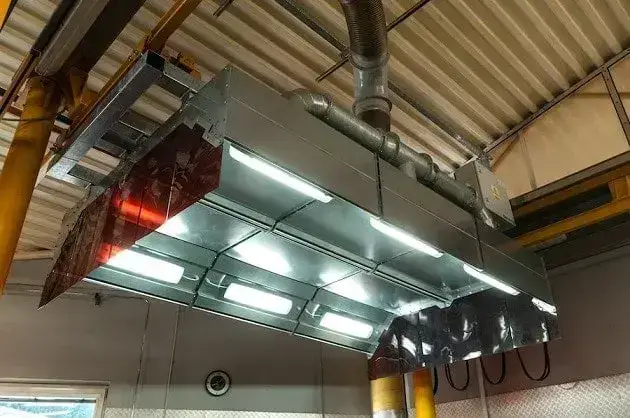
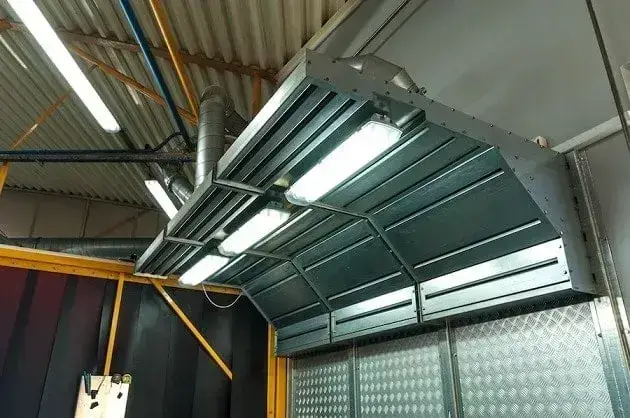
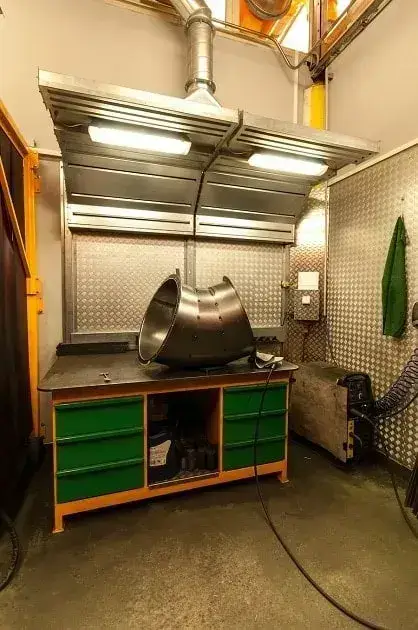
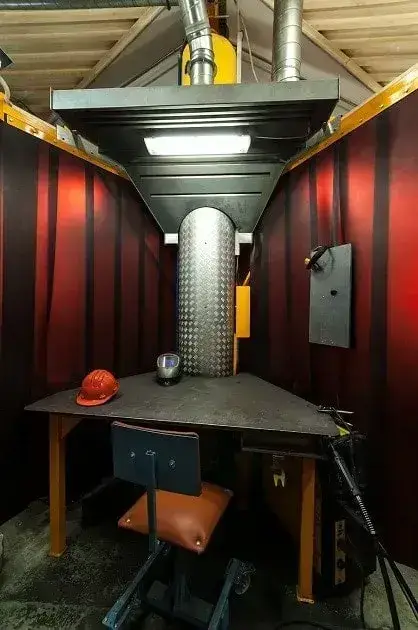
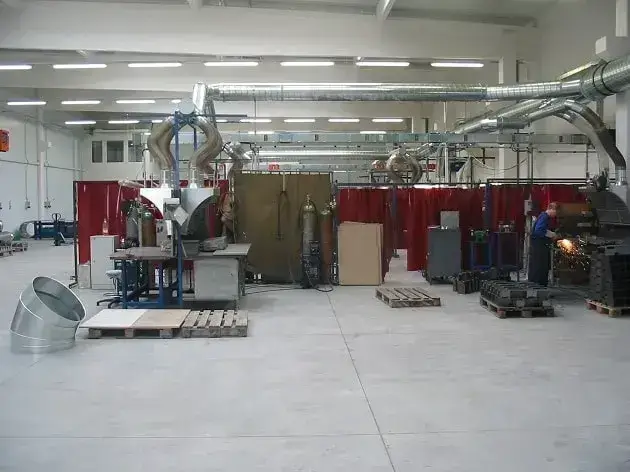
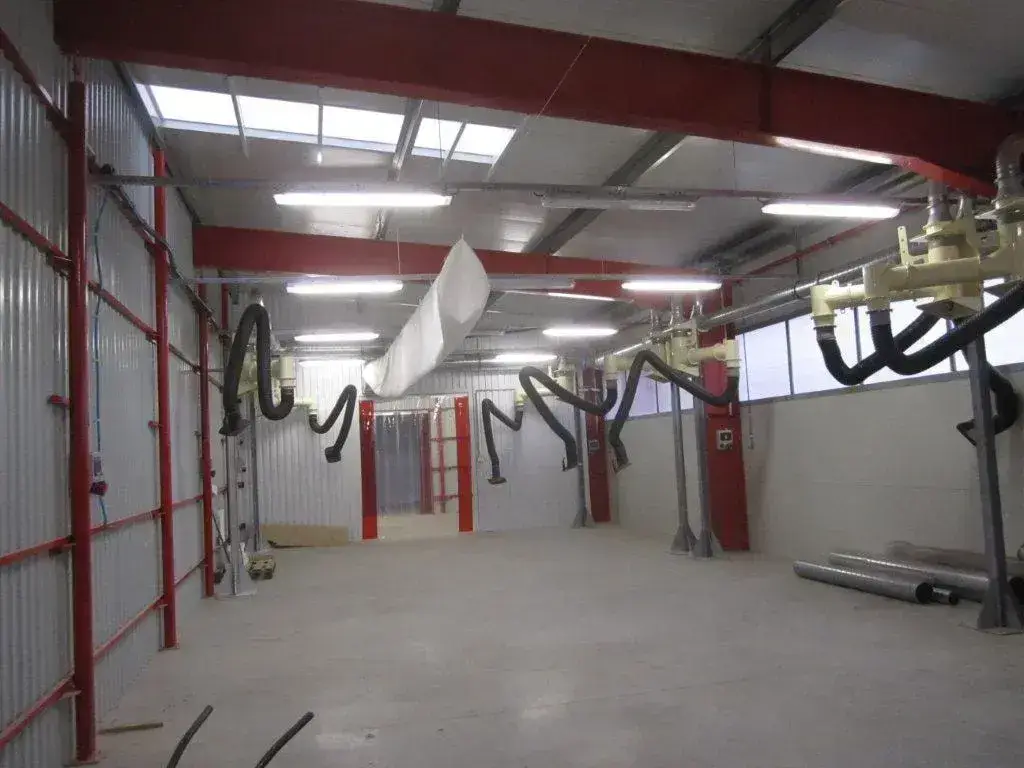
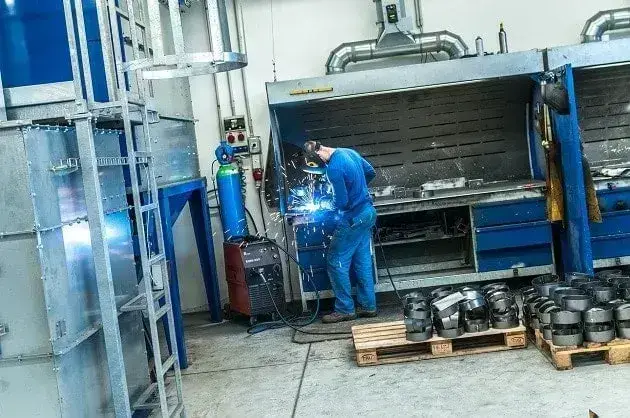
By local extraction, we mean extraction at workbenches and in smaller work areas. Here, we design and install extraction systems to capture fumes directly at their source, such as articulated extraction arms, suspended or vertical extraction hoods. Local extraction has the advantage that the extraction process itself captures fumes before they reach the worker’s breathing zone, thereby protecting their health. Extraction arms also have the advantage that they can always be positioned as required.
We are increasingly installing extraction systems equipped with smart control. The filtration unit, in conjunction with a frequency converter, automatic dampers, a control system and sensors, regulates the extraction capacity in line with the operation of the production process. The filtration system starts and stops automatically. By installing smart control, we help our clients save on electricity costs.
We design and supply our systems so as not to burden clients with high operating costs for the filtration system. They utilise smooth filter sleeves made from microporous filter fabric. The filter sleeves contain no seams, do not tear and are highly mechanically resistant. For applications in welding shops, we specify a service life of at least 20,000 operating hours for the filter media.

© 2026 CIPRES FILTR BRNO s. r. o.
All rights reserved